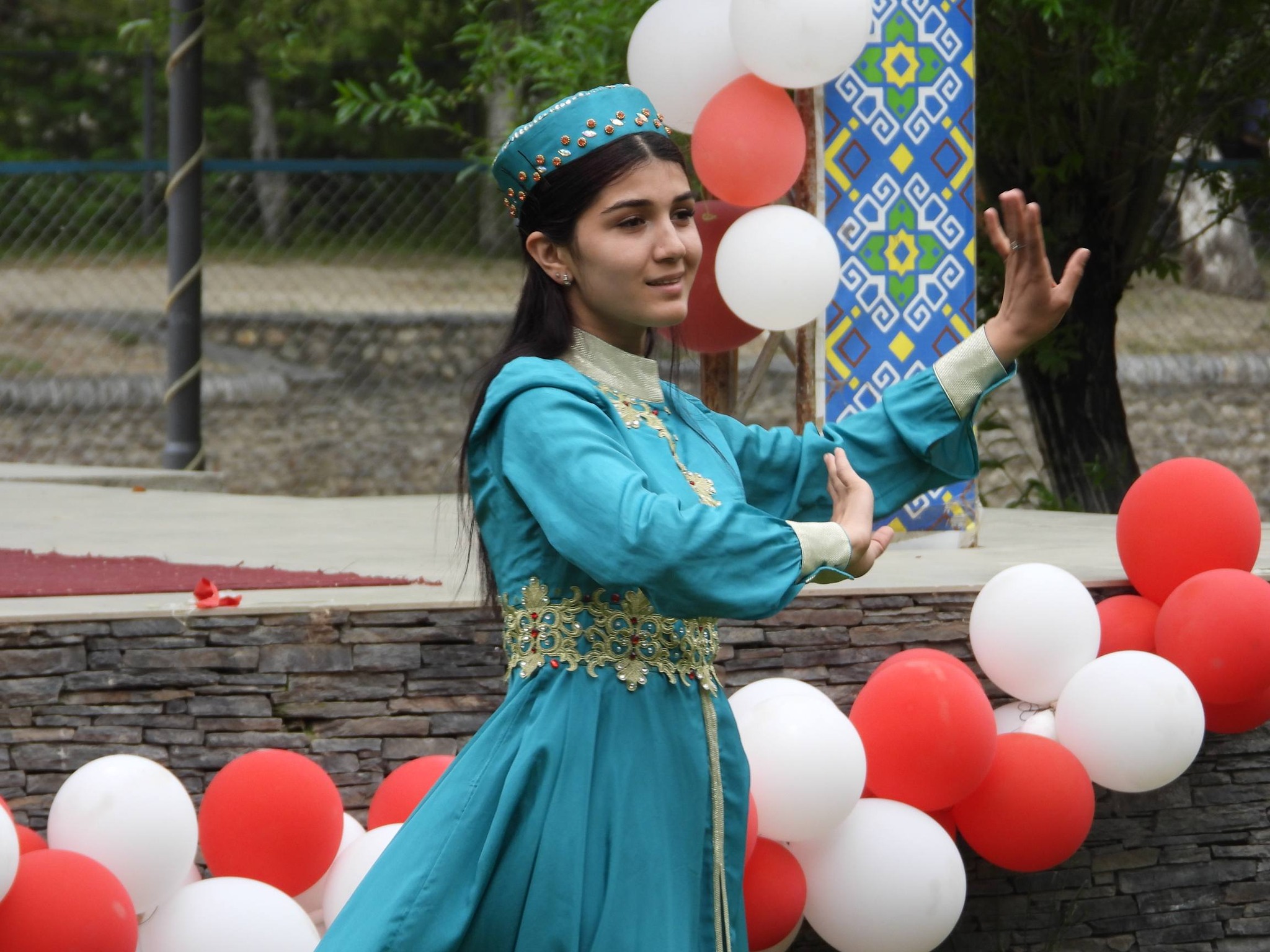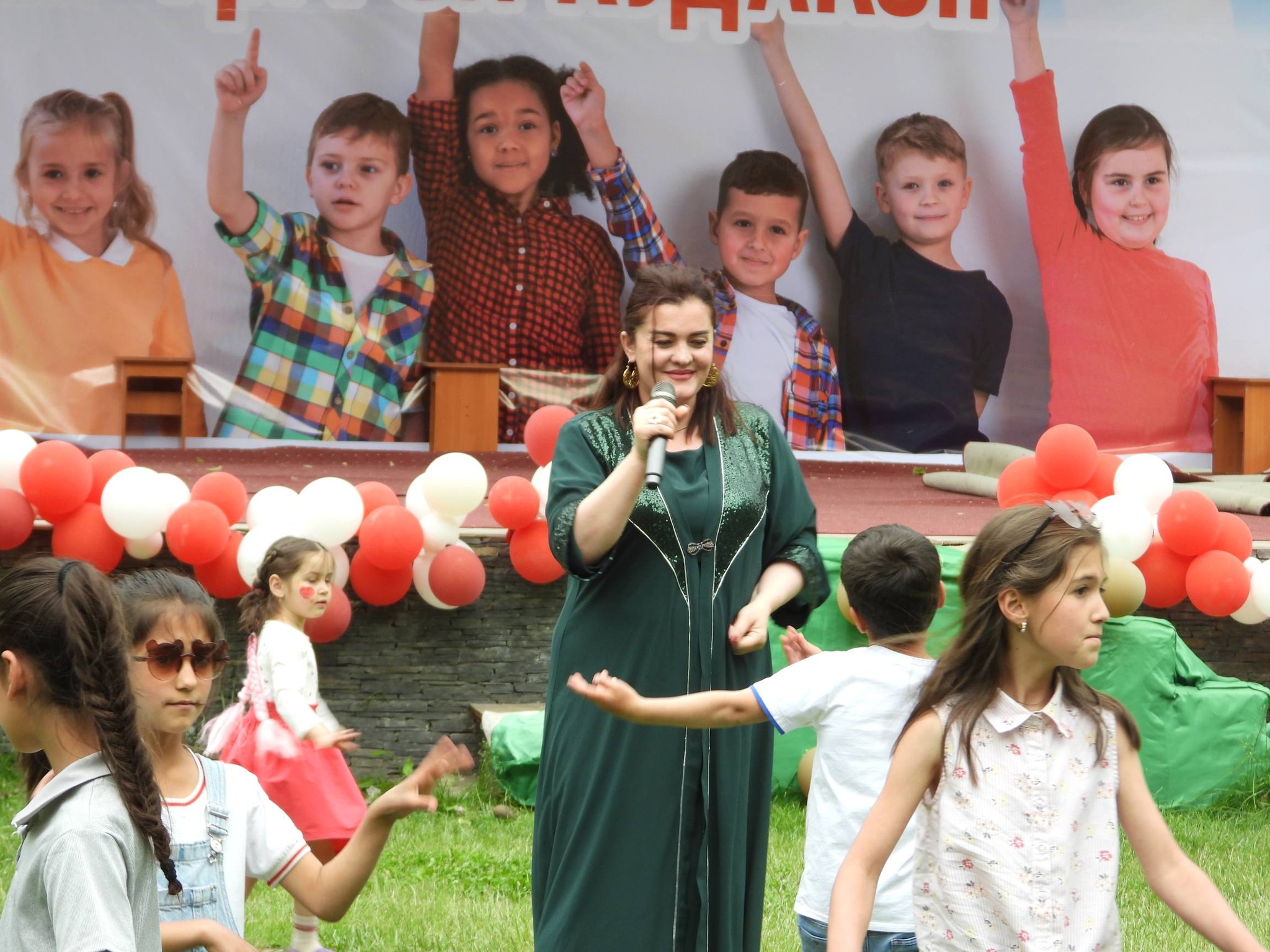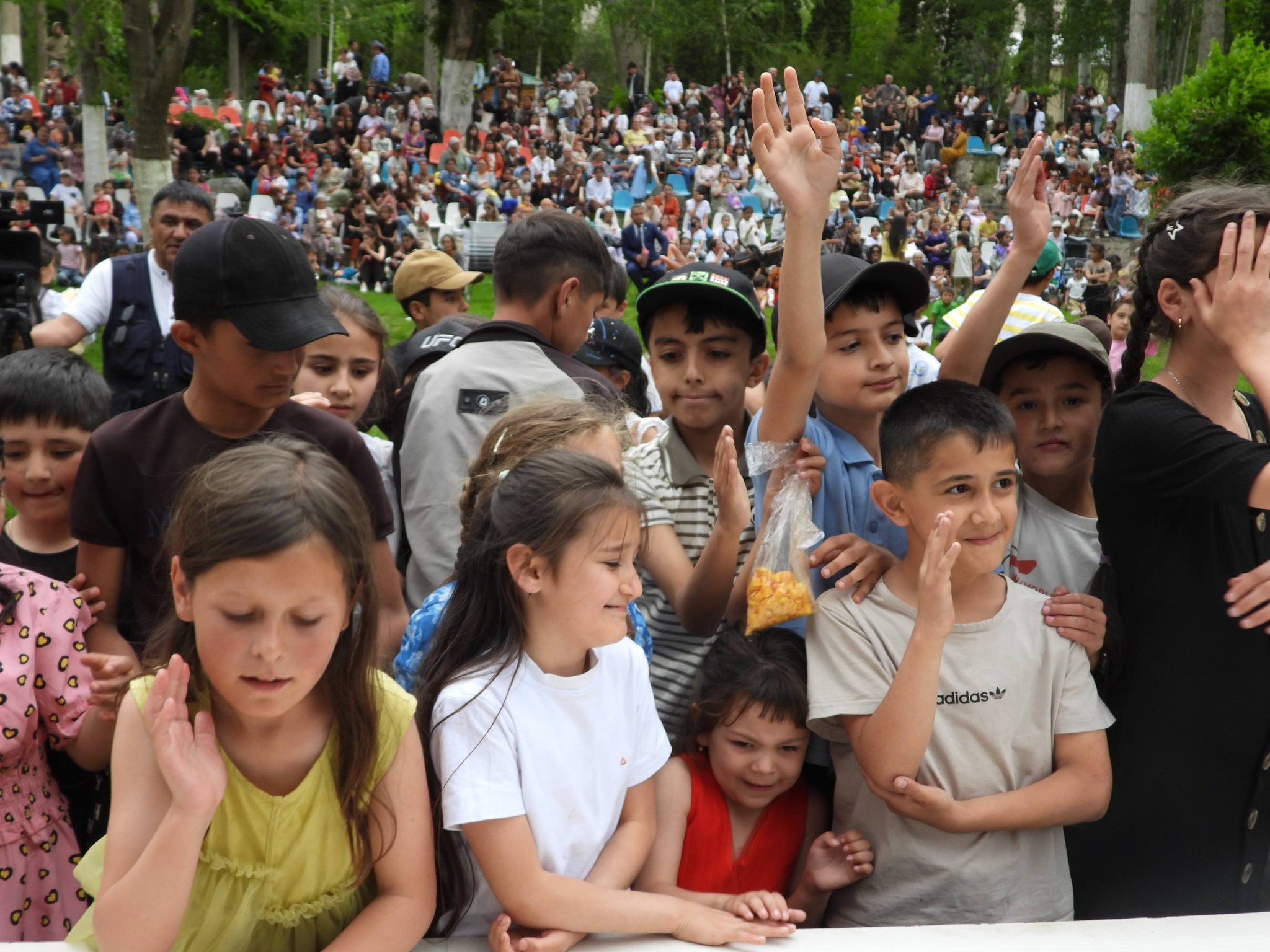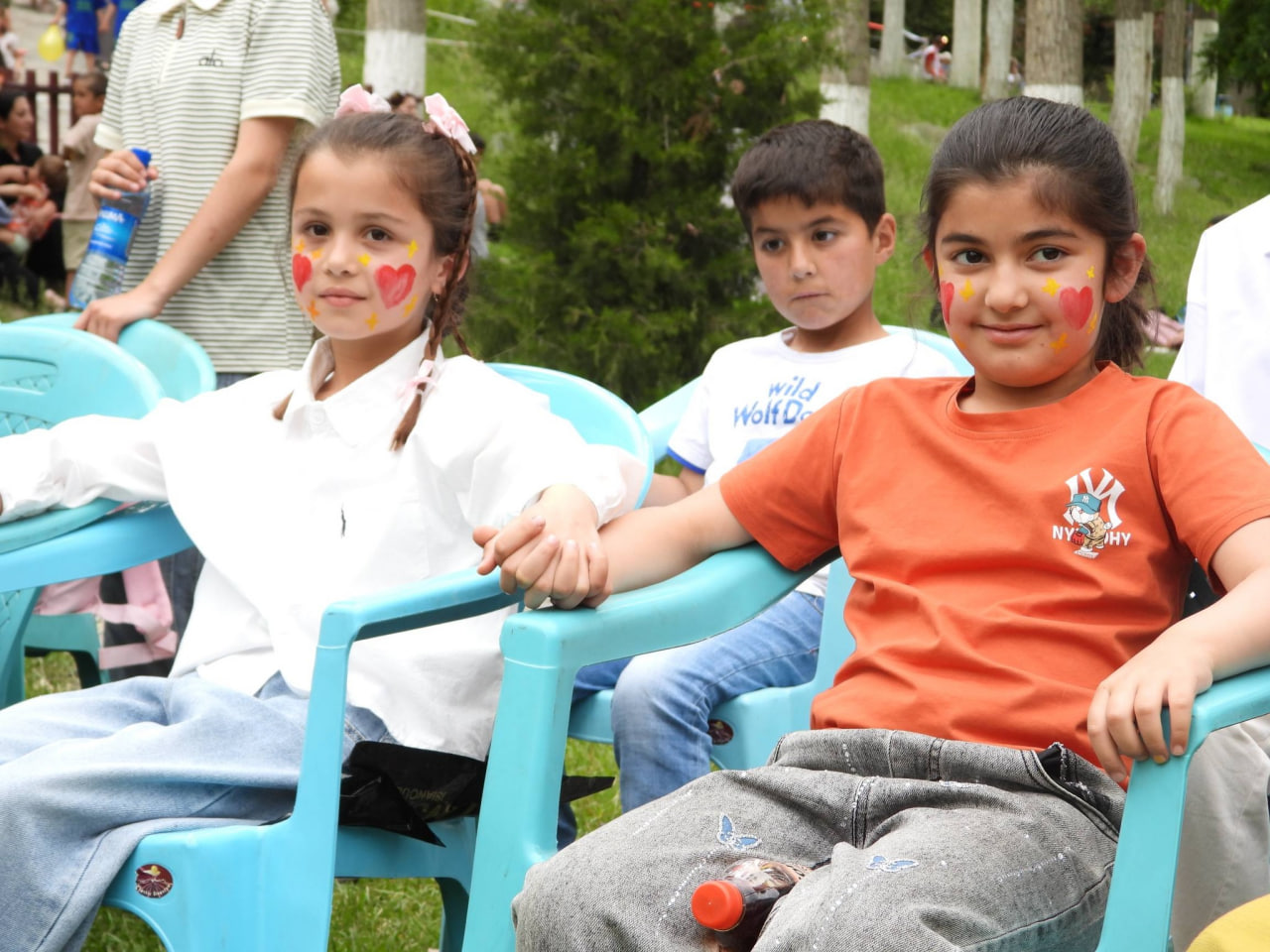
On 1 June, Khorog Central Park was filled with the sounds of children’s laughter, music and celebration. Children sang, played, joined competitions and discovered — in the most joyful way — that healthy eating can be fun.
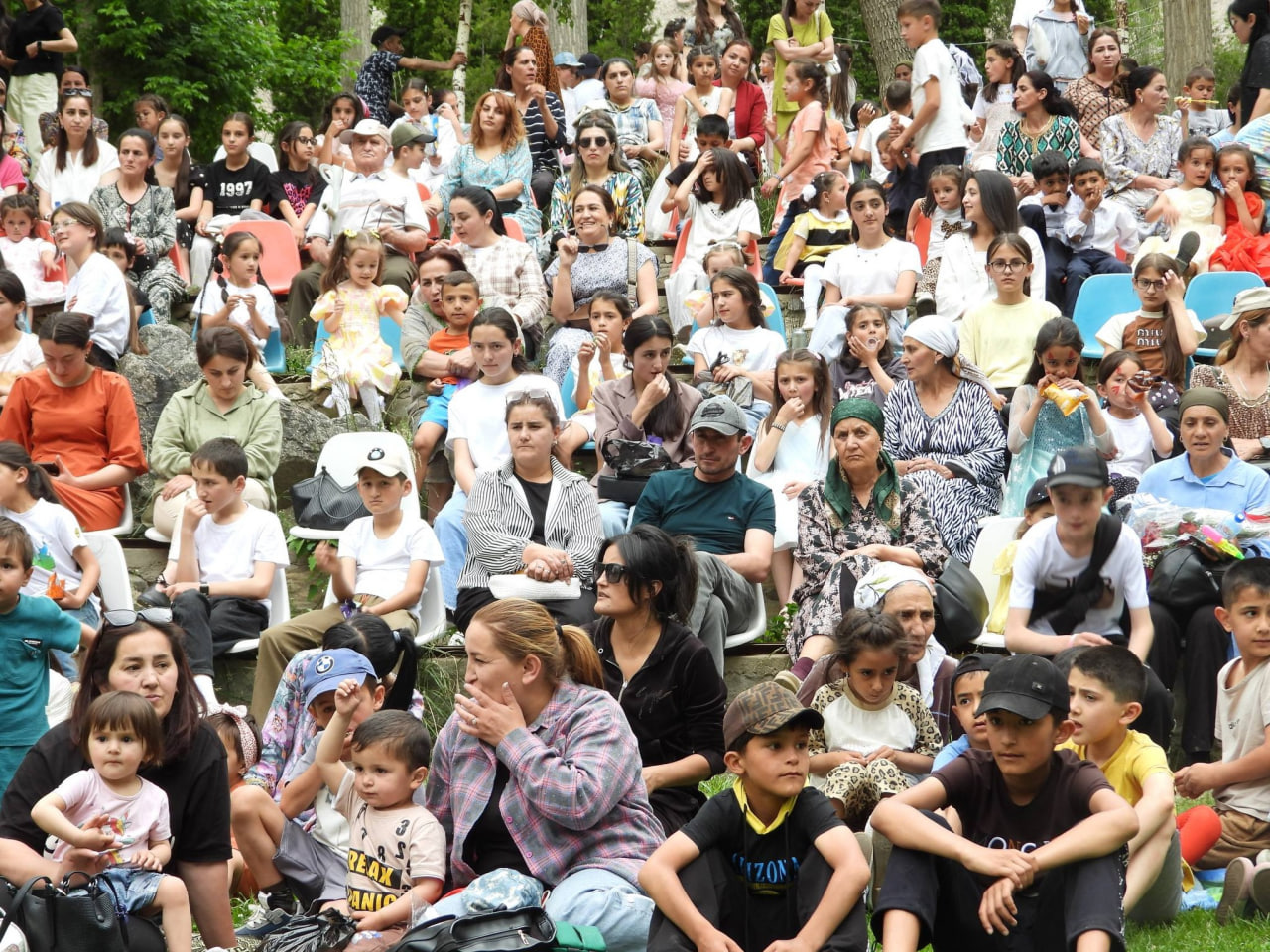
This was how Khorog marked International Children’s Day, bringing together around 500 children, parents, teachers, community members and guests for a day dedicated to children’s wellbeing, joy and healthy growth.
For many families, the celebration was more than a day out in the park. It was a reminder that every child needs care, safety, encouragement and opportunities to learn, play and thrive.
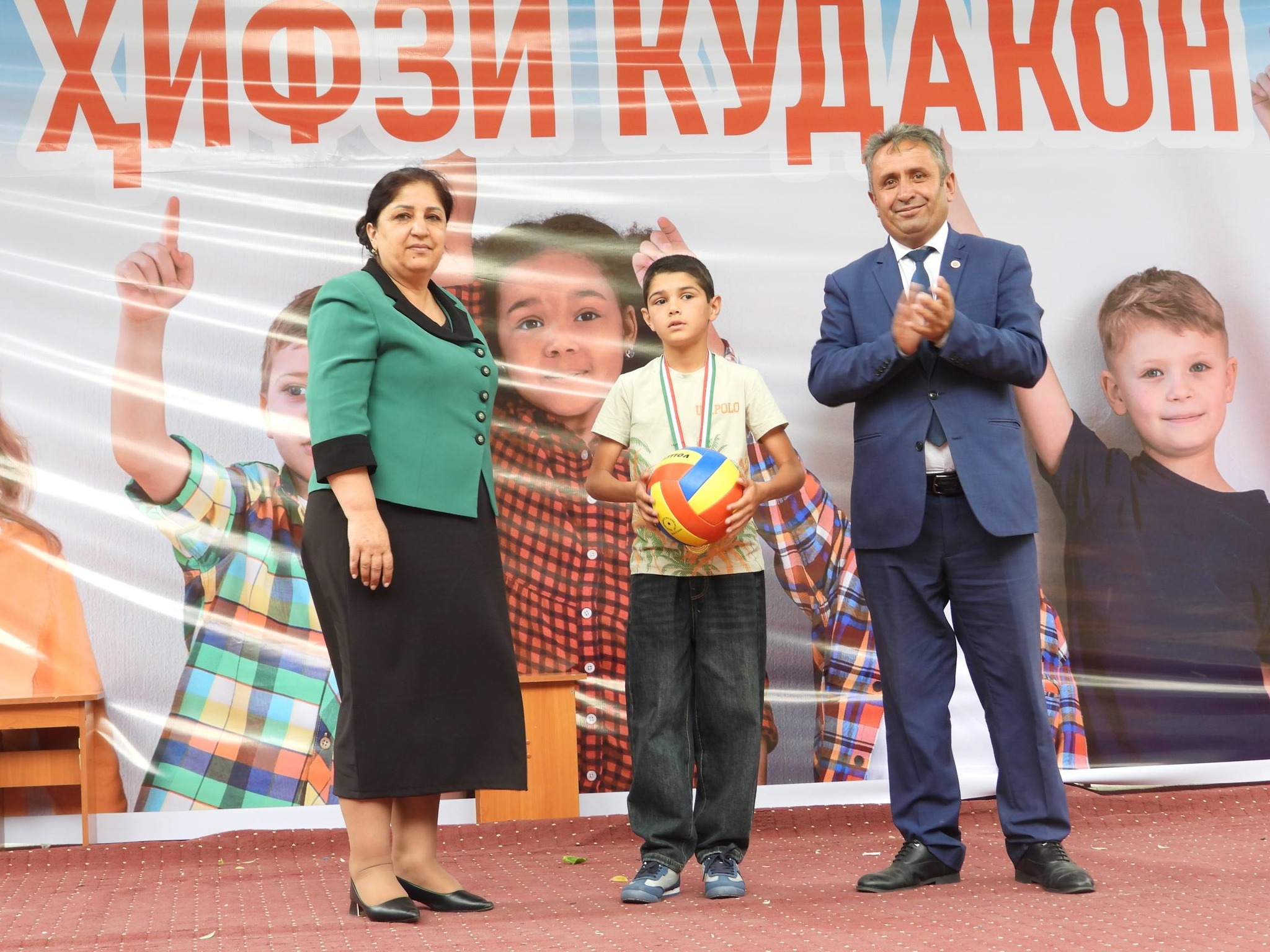
The event was organized by the World Food Programme’s Field Office in Khorog, in partnership with SIFI and the Office of the Human Rights Commissioner in GBAO. Muslima Afzalshoeva, Deputy Chairperson of GBAO, also joined the celebration, congratulating the children and presenting special prizes to competition winners.
Learning Healthy Habits Through Play
Talking to young children about nutrition is not always easy. Turning that conversation into a game makes all the difference.
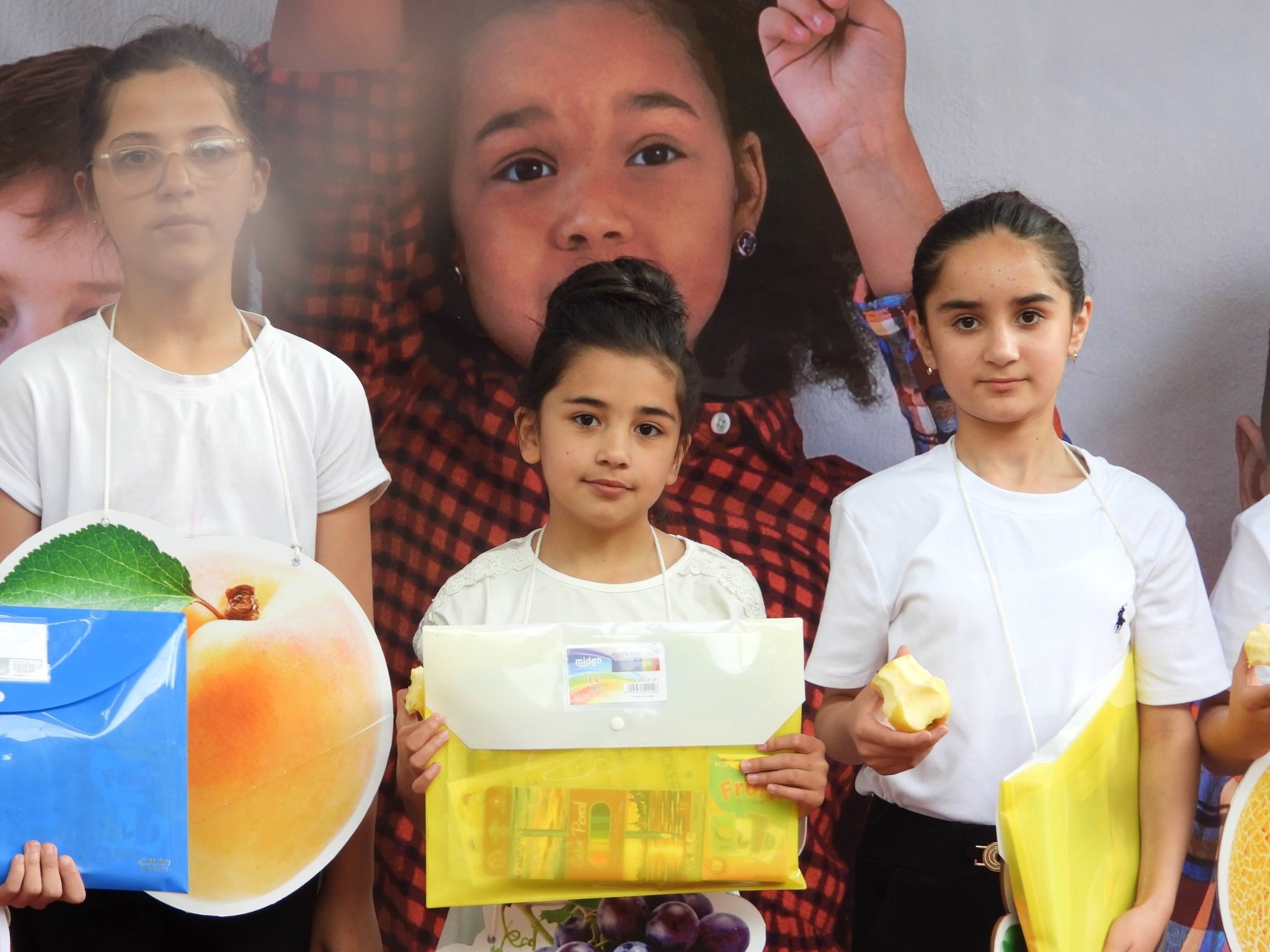
Throughout the day, children took part in the “Fruit Challenge”, themed games and the “Apple Crunch” activity. They answered questions, competed, laughed, cheered one another on and learned why fruit, vegetables and other nutritious foods are important for growth, energy and wellbeing.
For primary school children, this kind of learning is especially powerful. Instead of simply being told to “eat healthy food”, they experience the message through play, movement and positive emotions. Those experiences often stay with them — and later find their way into conversations at home, at school and with friends.
“Children Are Becoming More Aware of What Healthy Food Means”
For students of School No. 9 in Khorog, healthy eating is already part of daily school life. The school participates in the National school meals programme, through which children receive nutritious hot meals every day.
According to Jamila Abdurakhimova, a teacher at School No. 9, this has gradually influenced the way students think about food:
“Thanks to the School meals programme, our pupils receive complete and healthy meals every day. Over time, they have come to understand why this matters, and more and more often they choose healthy food instead of unhealthy snacks.
When we heard that the Children’s Day celebration would also promote healthy eating, our students immediately wanted to take part. They were especially excited to prepare for the Apple Crunch activity.
The children made bright drawings of fruit, proudly presented them during the event, sang songs and spoke about the benefits of healthy eating. For them, it was not just a fun activity. It was also a chance to think again about their own habits.
After the event, many pupils said they would like to hold a similar activity at our school, so that even more children could learn about a healthy lifestyle.”
For the teacher, one of the most meaningful moments was seeing the children take part with confidence, teamwork and genuine interest. The celebration gave them not only a happy day outside the classroom, but also a practical lesson they are likely to remember.
“I Learned Why It Is Important to Eat Fruit”
Angelina Muborakalieva, a Grade 4 student at School No. 9 in Khorog, said the Apple Crunch activity was her favourite part of the day:
“I learned many new things about why it is important to eat fruit and other healthy foods. The celebration was fun, interesting and educational. I am happy I took part with my friends, and I hope events like this will happen more often.”
A Celebration Children Want to Repeat
The value of events like this goes beyond smiles, songs and photographs. Children leave with a simple but important message: looking after your health can be part of everyday life, and healthy food can be colourful, tasty and enjoyable.
When that message comes through games, songs, competitions and shared celebration, it becomes easier to remember. A single day in the park can become the start of small but meaningful changes — at school, at home and in the daily habits of the whole family.