How Dushanbe celebrated World Food Day
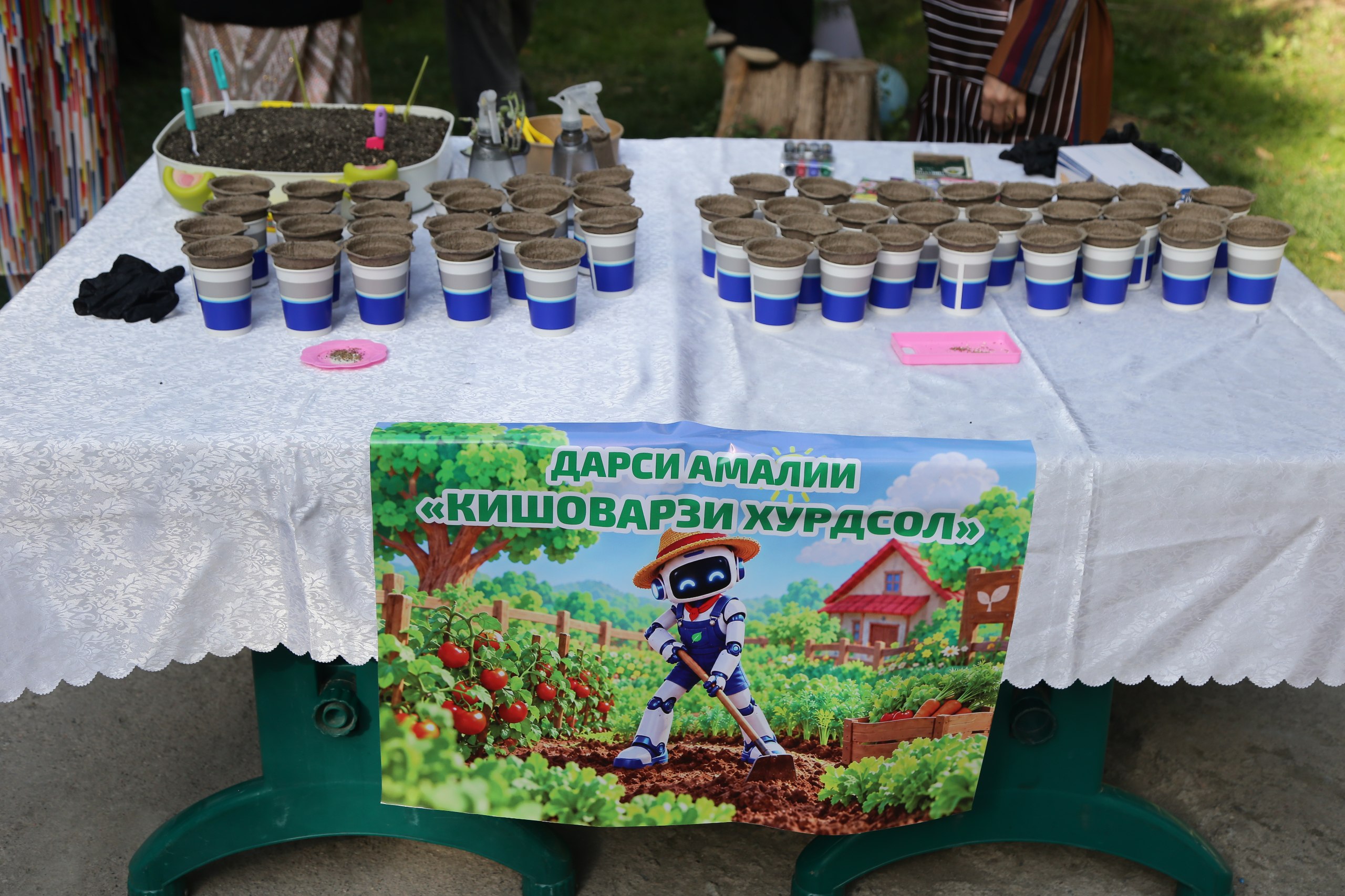
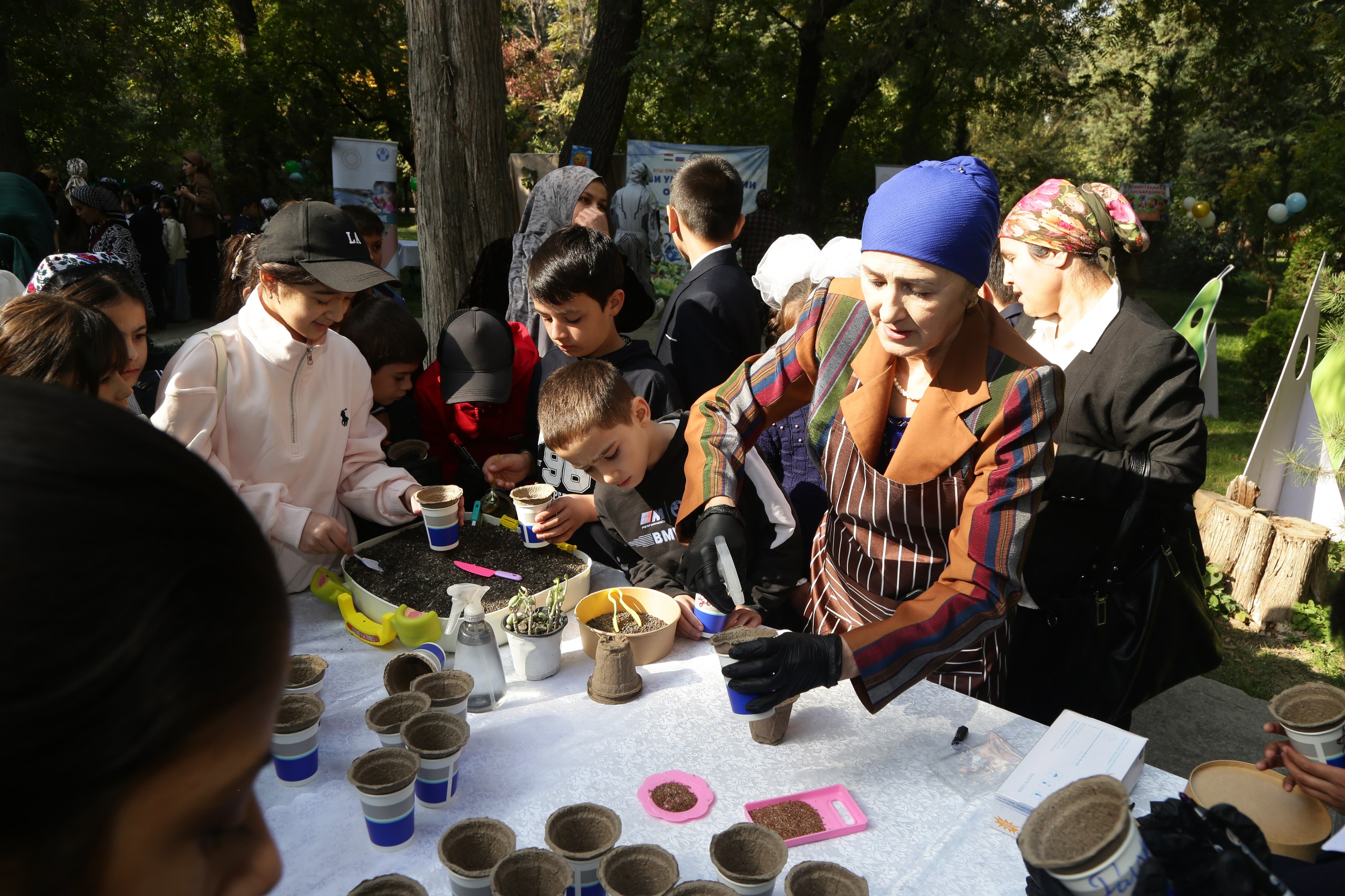
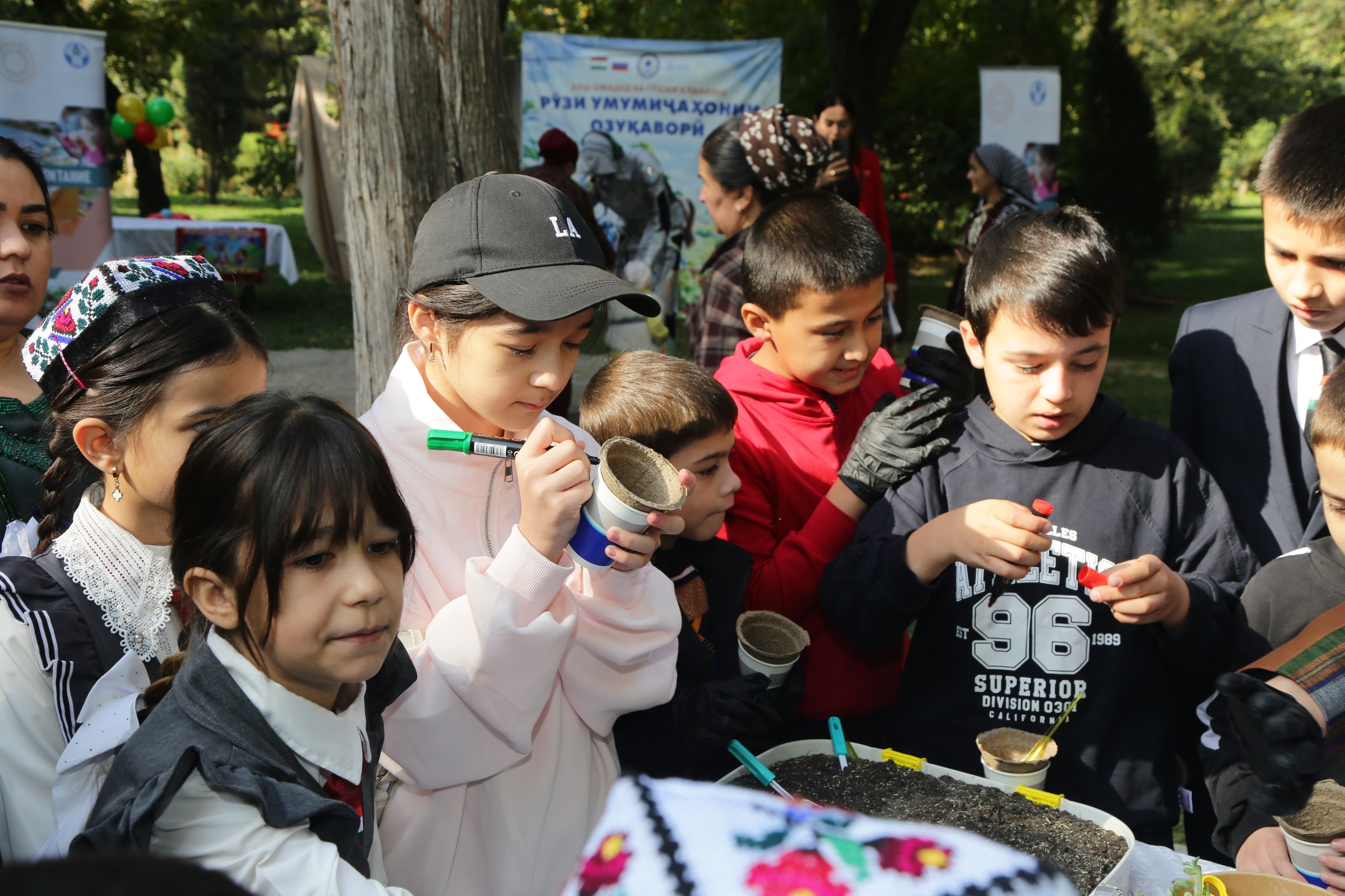
When should I water them? How long will they take to grow? Can I eat what I've planted? Children asked plenty of questions at the Little Farmer workshop. For many, it was their first experience of growing something themselves. They could take their little pots with planted seeds home, care for them, and watch the first shoots appear.
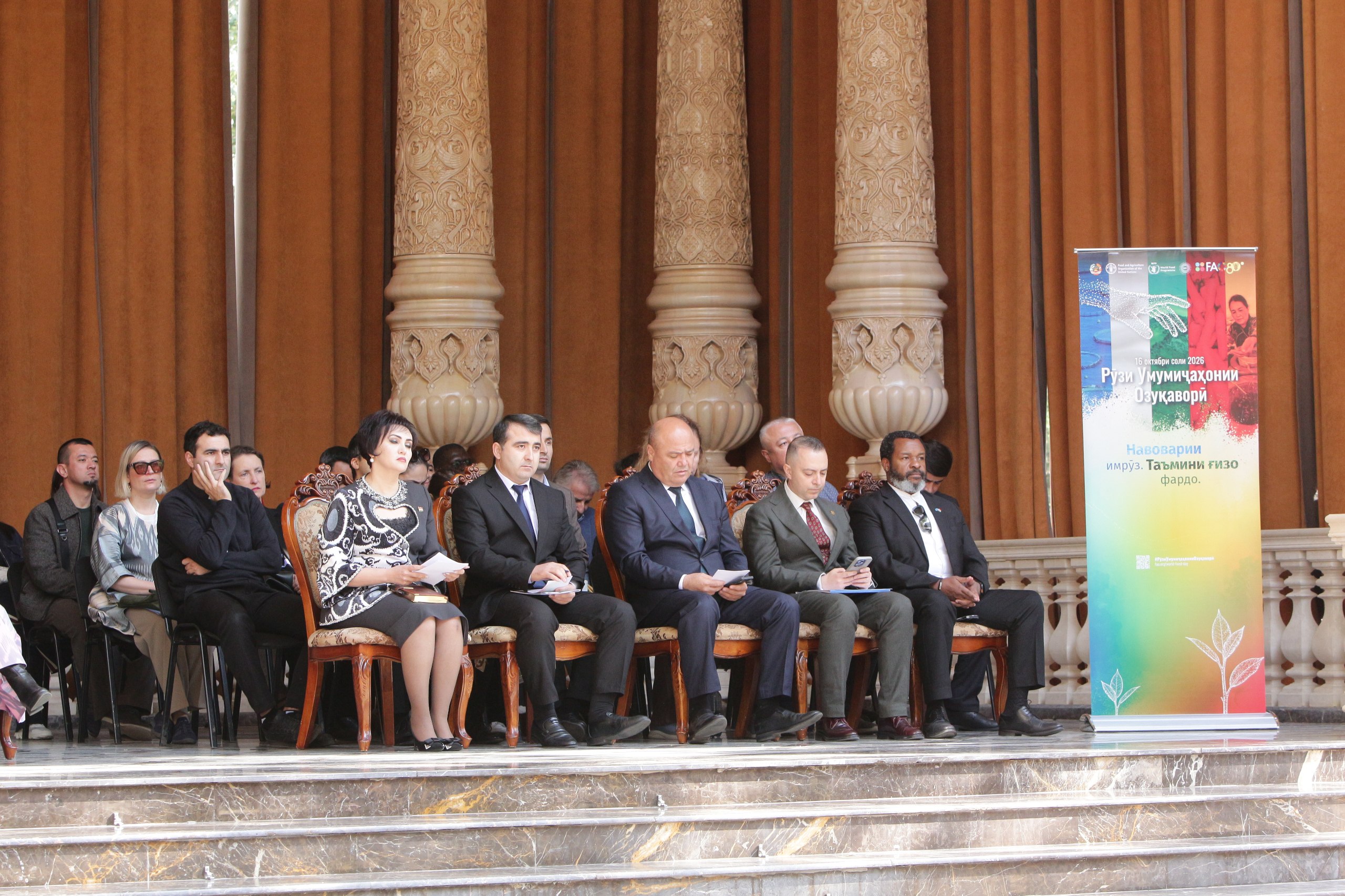
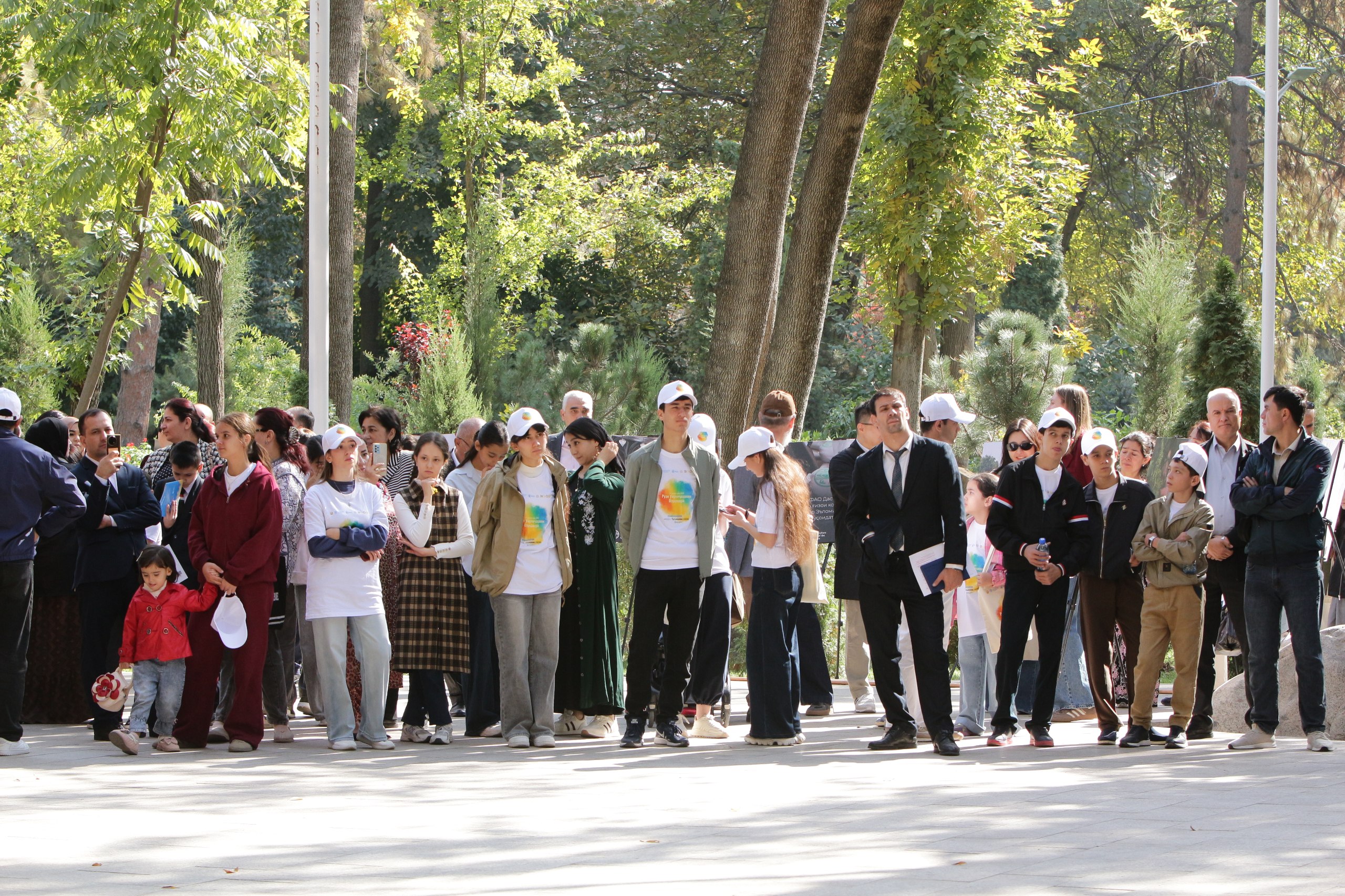
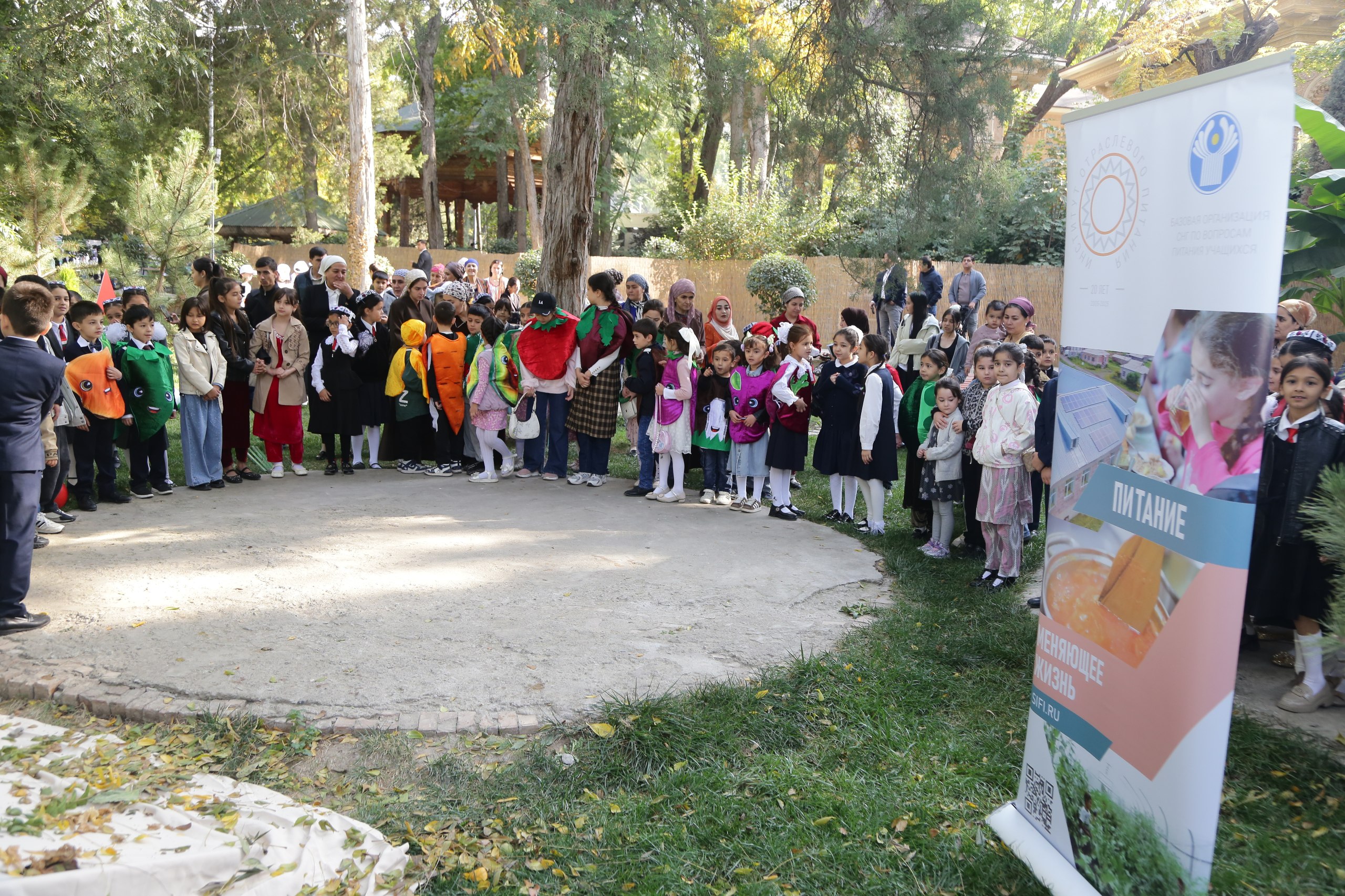
On October 24, Dushanbe's Iram Botanical Garden hosted a celebration of World Food Day 2026. While children learned how to plant seeds, visitors explored produce grown by Tajik farmers, watched traditional flatbread being made, and sampled bread baked with fortified flour. Conversations about growing food and eating a varied diet took place around cooking stations, at exhibition stands, and even on the stage of a children's theater.
Held under the theme “Innovation Today, Food Security Tomorrow,” the celebration was organized by the Food and Agriculture Organization of the United Nations (FAO), the United Nations World Food Programme (WFP), and the Russian Social and Industrial Foodservice Institute (SIFI), in cooperation with the Government of Tajikistan and other partners.
Where every harvest begins
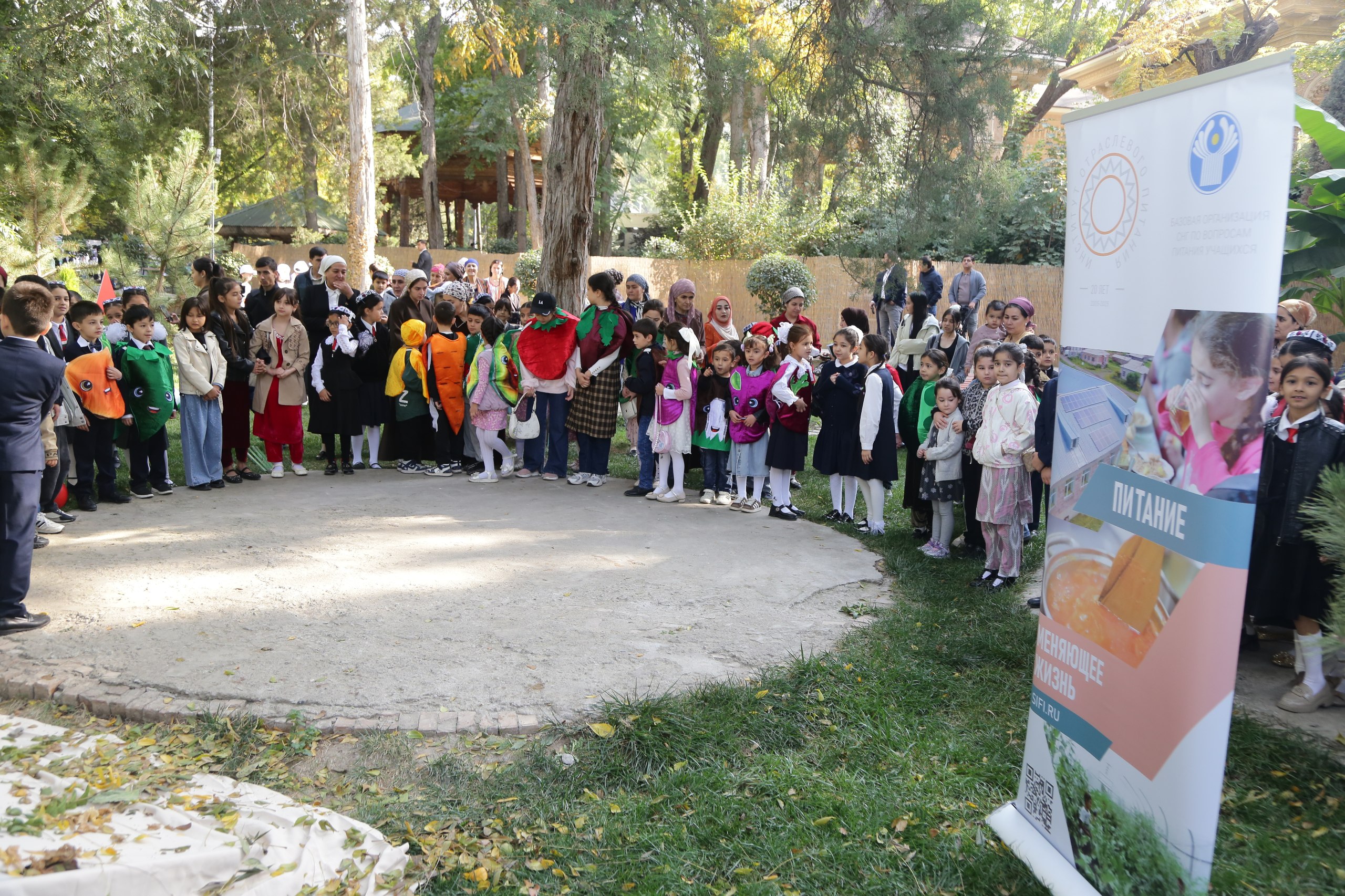
Around 75 children and their parents visited the “Innovation Today, Healthy Nutrition Tomorrow” activity area organized by SIFI and WFP.
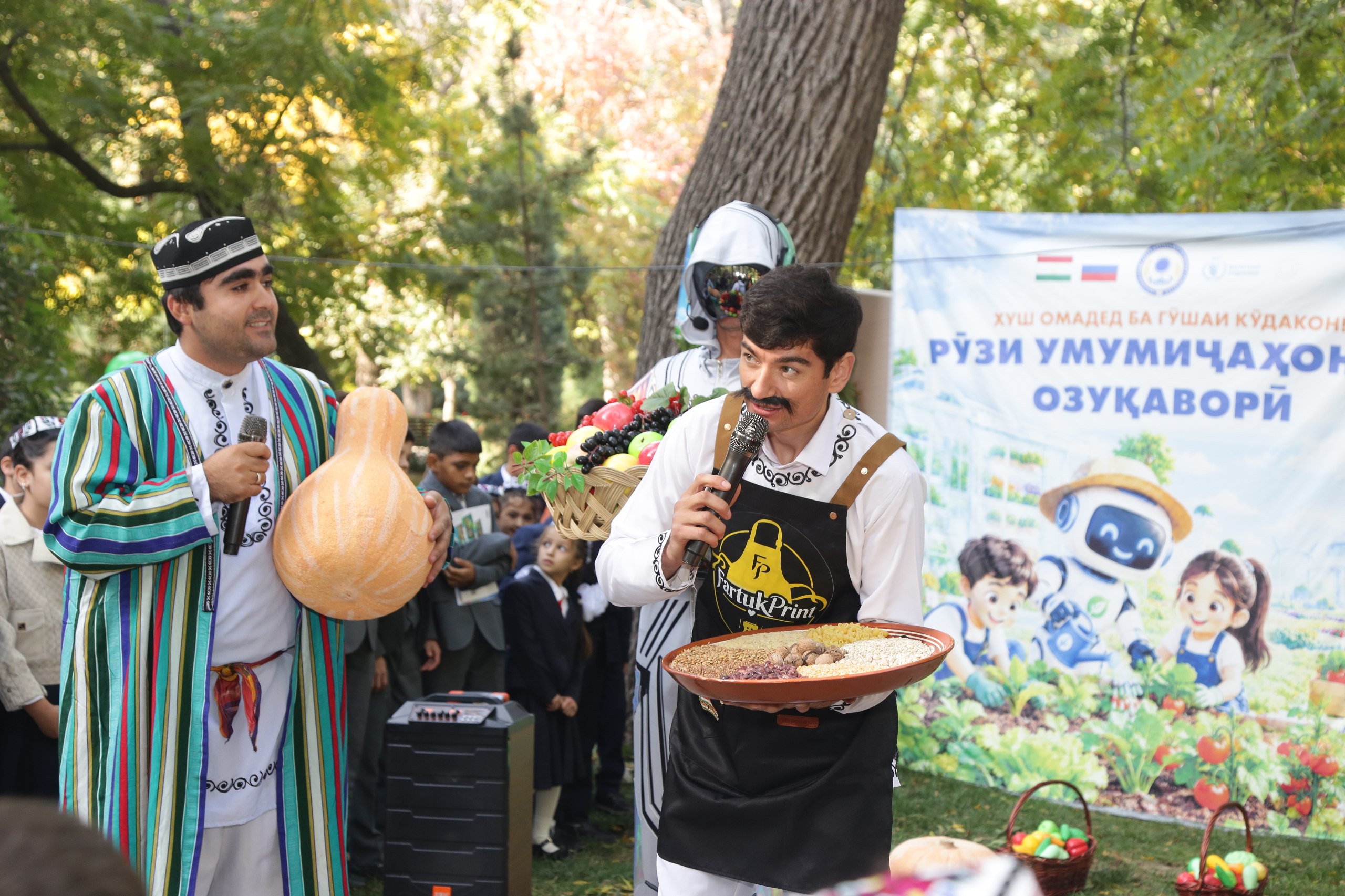
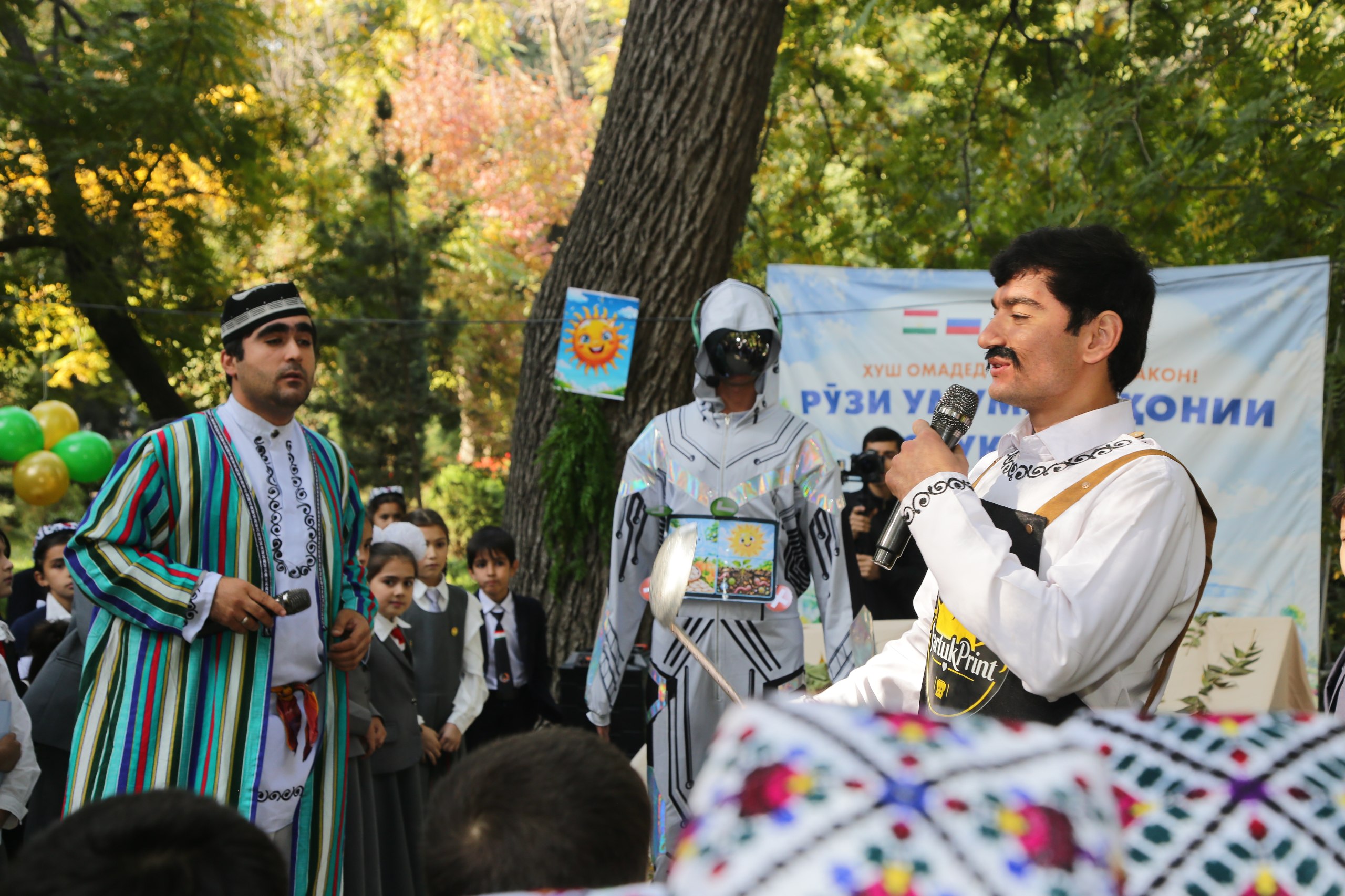
One of its highlights was an interactive play, “Where Did the Harvest Go?”, featuring a farmer, an innovative robot, and a cook. The characters invited the audience to help them solve problems, asked questions, and worked with the children to find answers. Along the way, young participants discovered what is needed for plants to grow, why soil and water must be protected, and how modern technology can help farmers produce better harvests.
Children then had the chance to become farmers themselves during a masterclass led by culinary trainer Zulfiya Fayzieva. They planted herb and flower seeds, learned how to prepare the soil, and discovered how to water and care for their seedlings.
“I planted the seeds myself and took them home. Now I'm going to water them and watch them grow,” said eight-year-old Muhammad from School No. 41. He also enjoyed the theater performance, particularly the robot.
Assembling a healthy plate
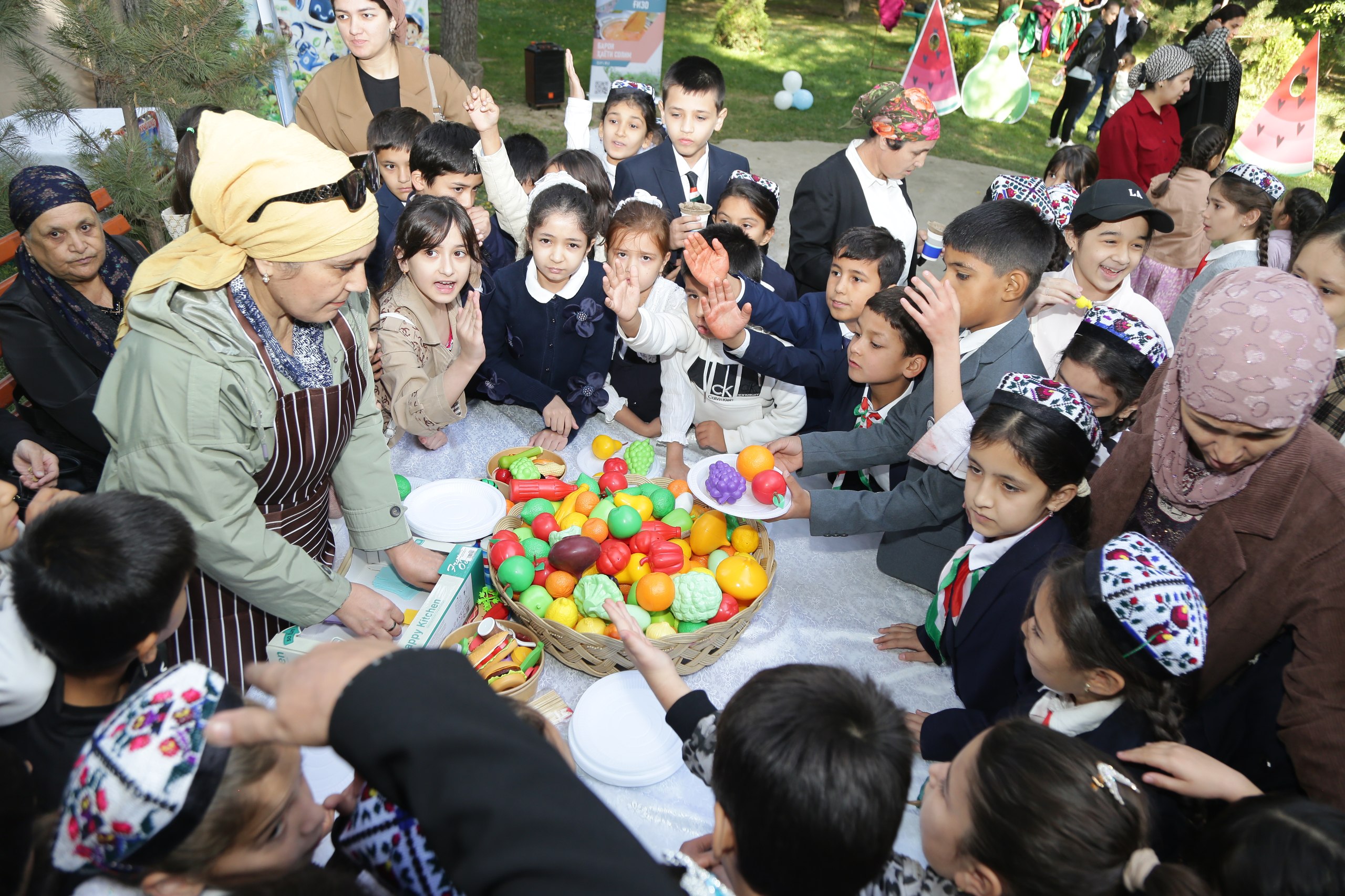
From growing food, the activities moved on to making healthy food choices. At a masterclass led by culinary trainer Makhsudakhon Raufova, children created their own healthy plate models. They discussed why vegetables, fruits, grains, and protein-rich foods are important in everyday meals, selected different foods, and sorted them into groups. They also answered questions, solved riddles, recited poems, and received small gifts for completing the activities.
Nine-year-old Sumaya from School No. 34 came away with one simple lesson: healthy meals should offer plenty of variety and color. “I learned that we should eat more fruits and vegetables, and that our food should be different and colorful, like a rainbow,” she said.
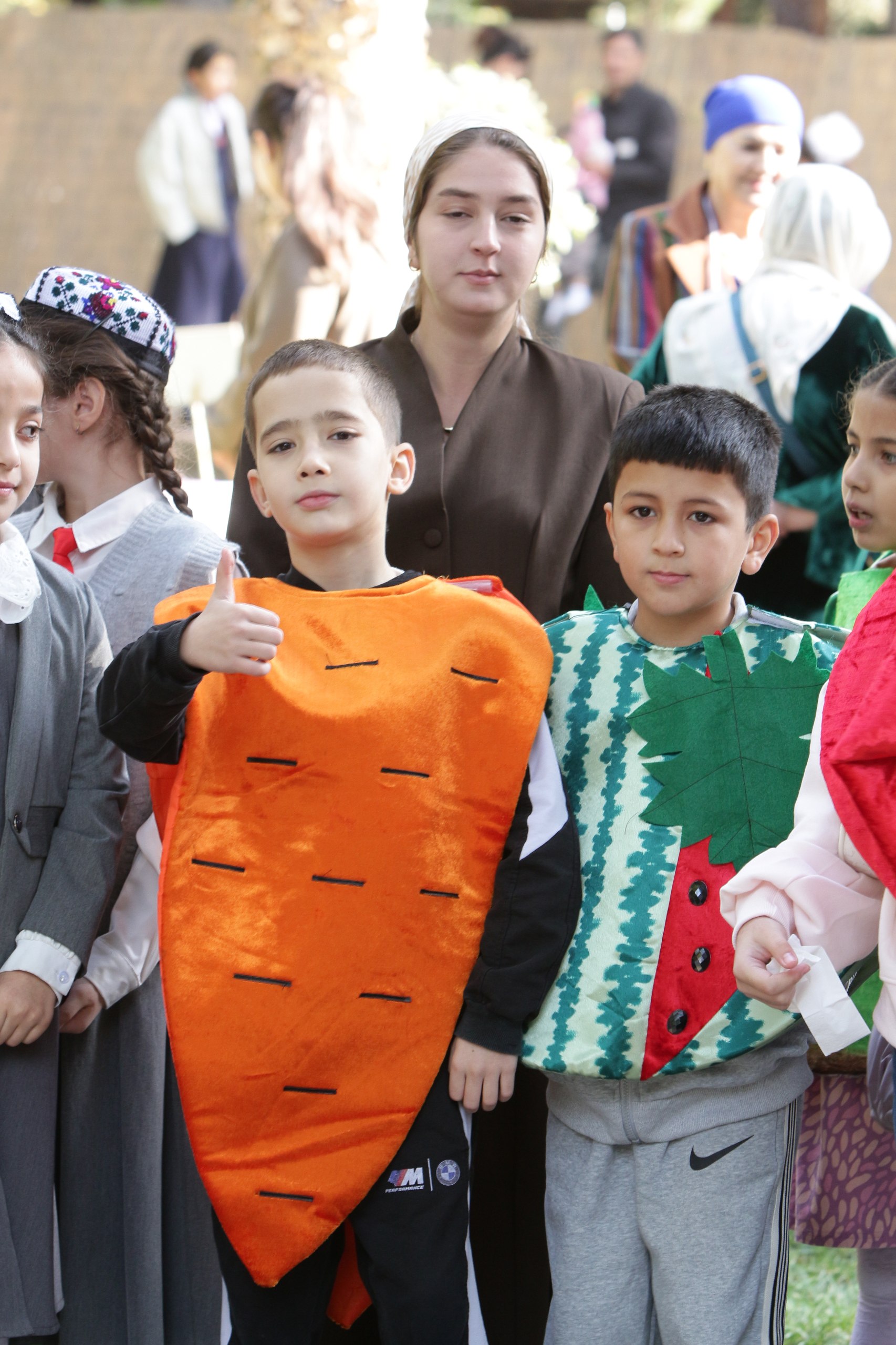
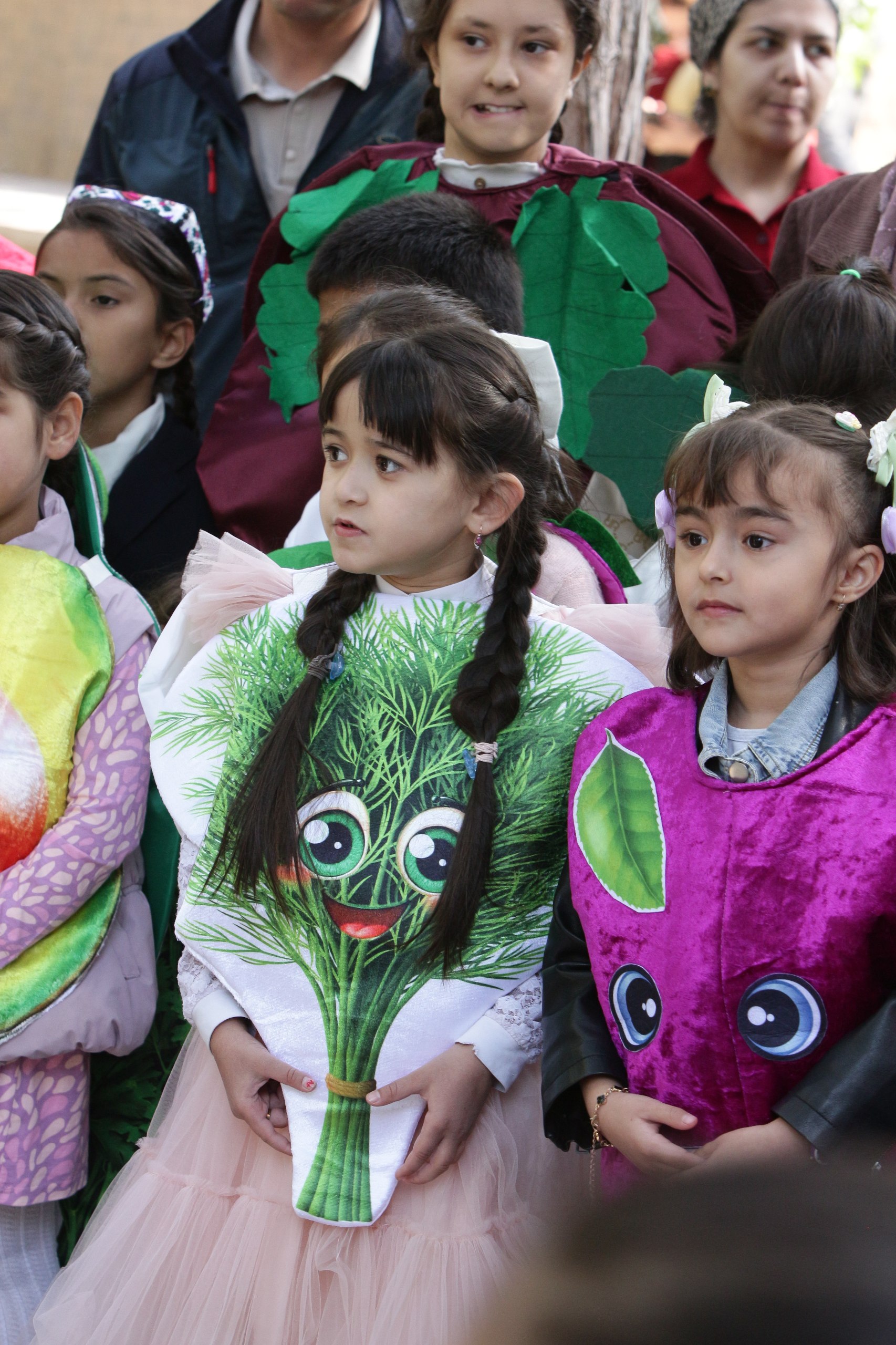
The learning continued in interactive play areas, where children identified foods by sight and smell. They could also dress up as fruits and vegetables for photographs.
Khanifa, a teacher at School No. 41, was impressed by how quickly the children put their new knowledge into practice. They planted seeds, made food choices, and took part in the performance. She especially appreciated that they could take their seedlings home, getting an opportunity to continue observing their growth and learn how to care for plants.
Recipes to try at home
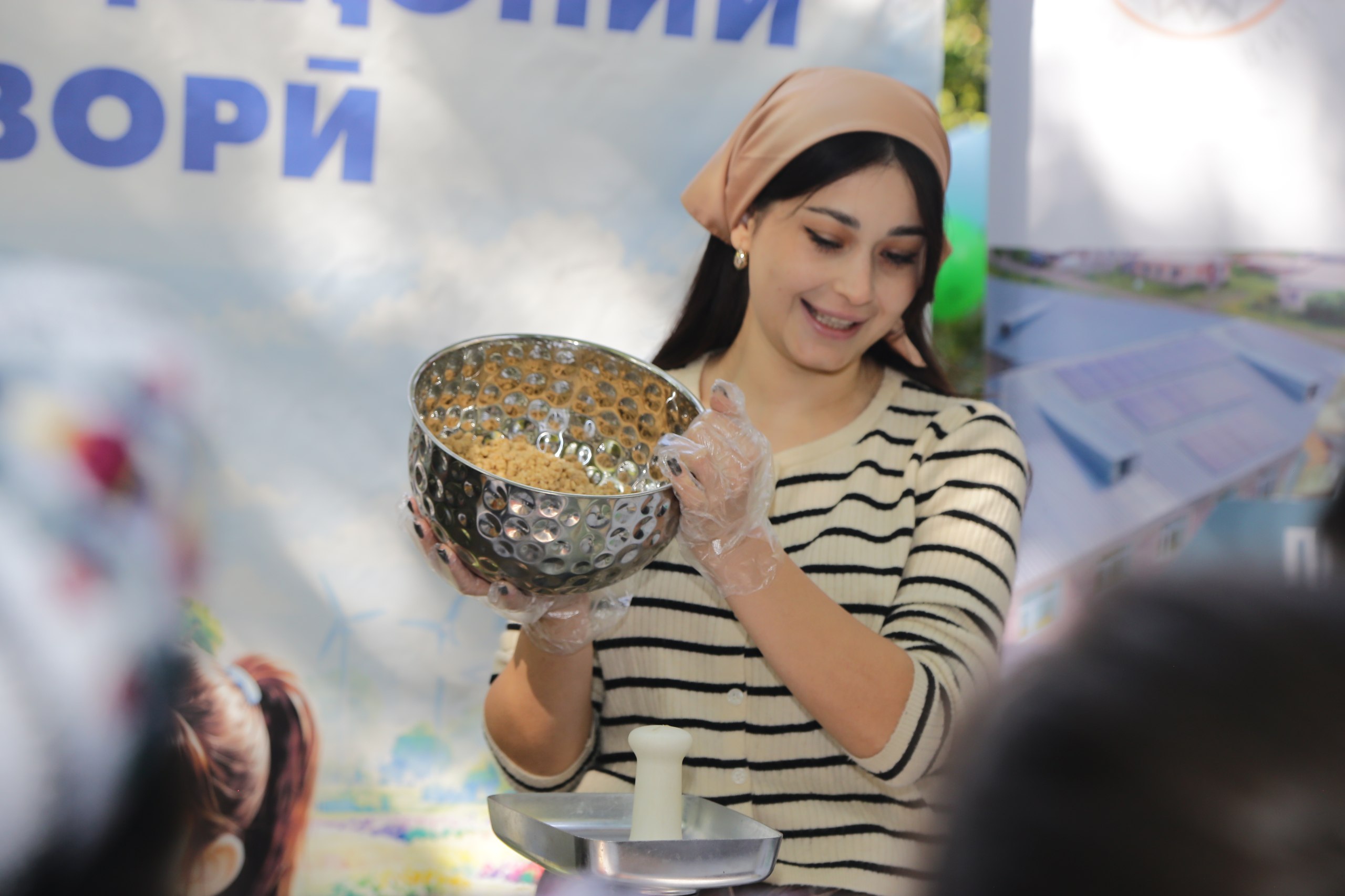
A cooking workshop hosted by popular food blogger Shokhin Murodov also attracted a large crowd of parents and children. Together, they prepared homemade sweets and a drink called Strong Immunity, following his original recipe. Shokhin demonstrated how simple, affordable ingredients could be turned into treats children would enjoy as alternatives to store-bought sweets and drinks.
“I always try out the recipes I share at home first and make them for my own children. Only then do I post them on my page,” he explained.
For Shokhin, the priorities are simple: food should taste good, ingredients should be affordable, and children should enjoy what they eat. Sumaya, who watched the workshop, already decided to try making something healthy at home with her mother.
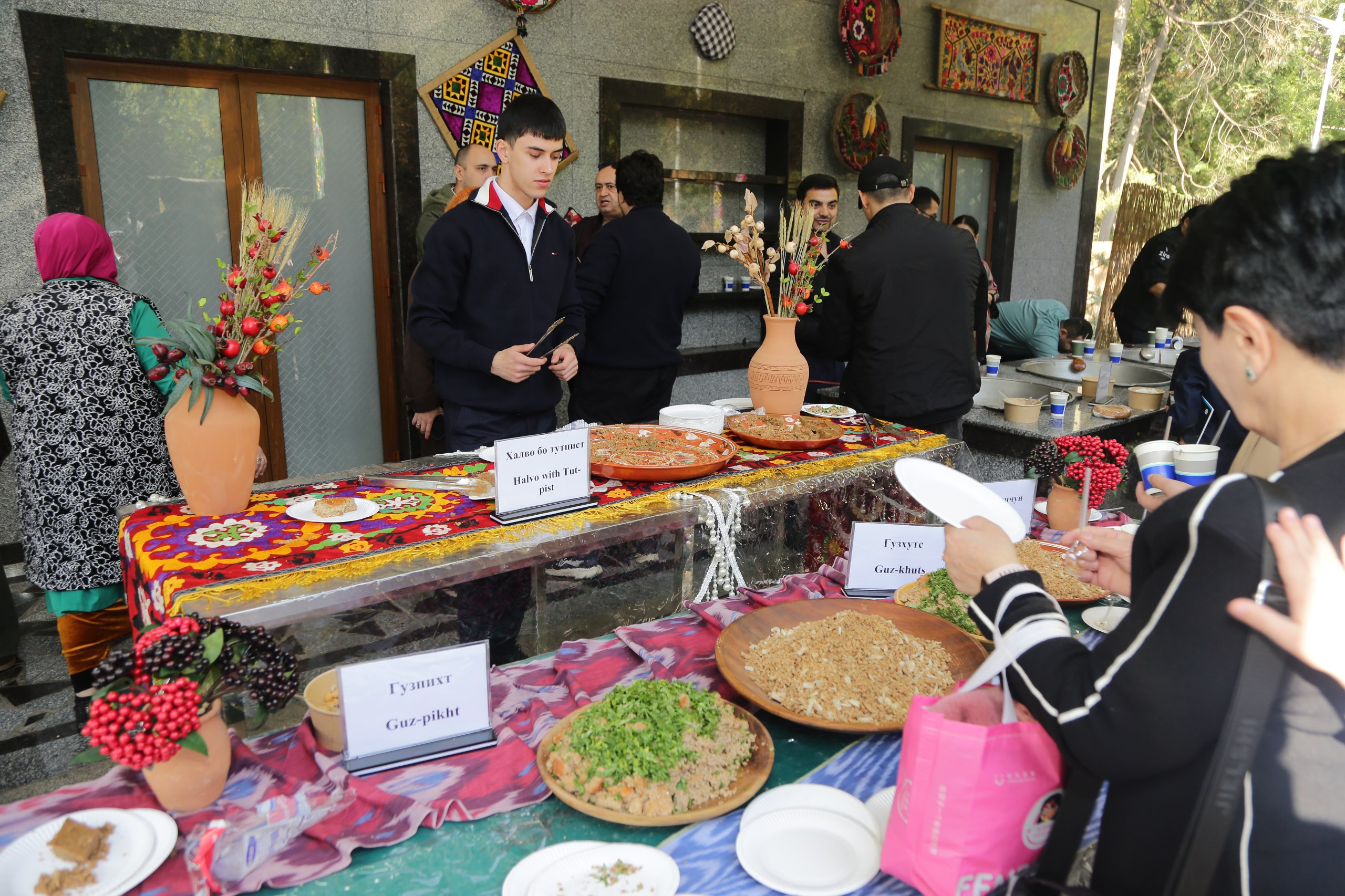
Other cooking sessions introduced visitors to traditional Tajik recipes featured in FAO's book Diversity of Agricultural Crops in Tajikistan. Using locally grown ingredients, the demonstrations explored the country's culinary heritage, the nutritional value of traditional dishes, and the cooking methods.
A separate workshop focused on making chapati flatbread. Visitors watched the preparation process and learned more about traditional breadmaking. With WFP support, another demonstration showed how bread is made using fortified wheat flour. Guests could taste the fresh bread and ask specialists why vitamins and minerals are added to flour.
Behind every harvest is farmer’s effort
An agricultural exhibition showcased honey, fresh fruits, tomatoes, cucumbers, and other produce from across Tajikistan. Among the displays were vegetables grown in greenhouses established with WFP support. Visitors could see the results of programs designed to help smallholder farmers expand production and increase their incomes.
Nearby exhibits introduced agricultural technologies and equipment. Visitors learned how farmers can use water more efficiently, preserve soil fertility, and maintain crop production in a changing climate.
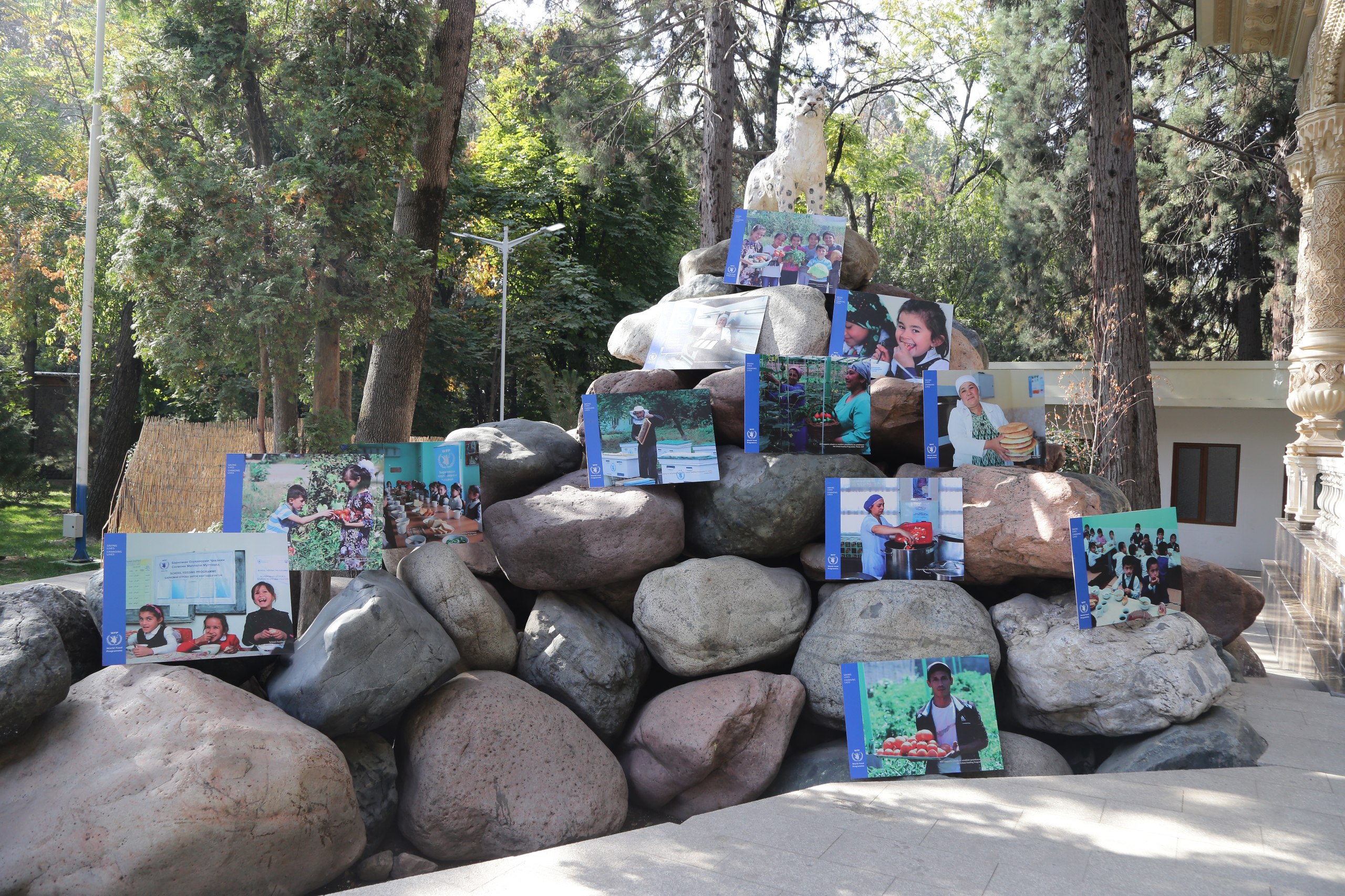
Institutions working in plant protection, biodiversity, forestry, hydrometeorology, and food safety also presented their activities. A photo exhibition offered another perspective on food production and the people whose livelihoods depend on the land.
Music in the autumn garden
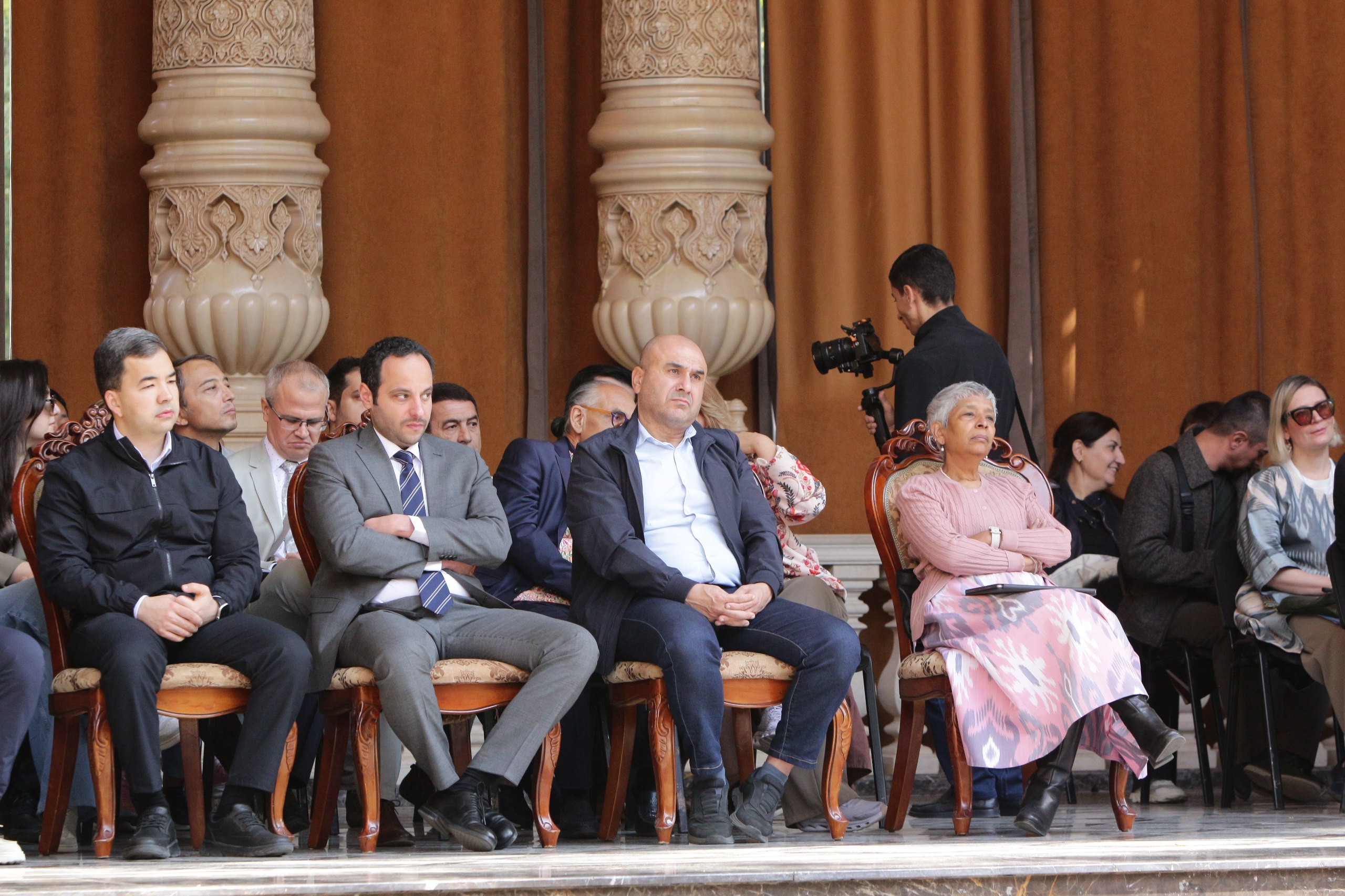
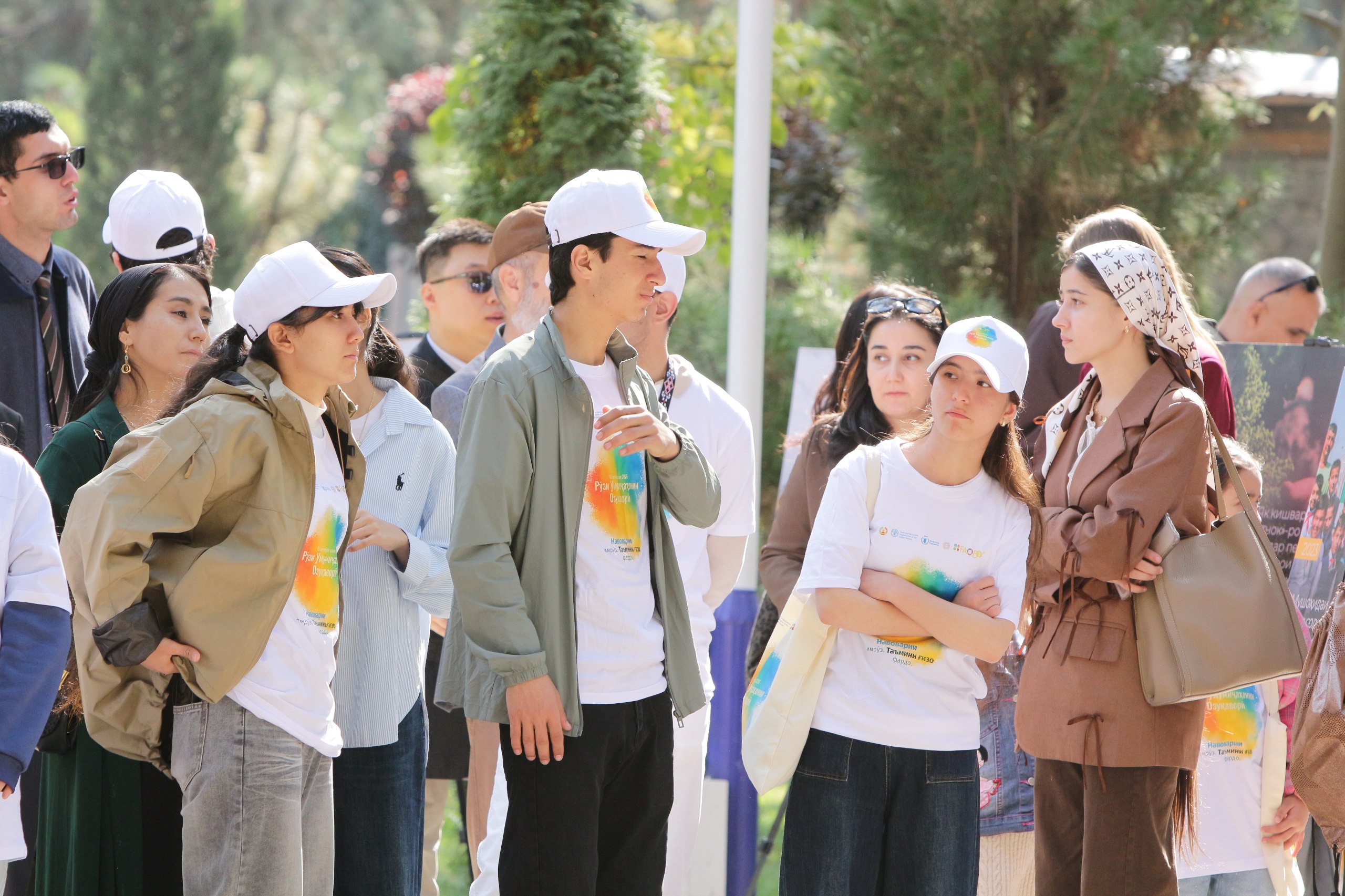
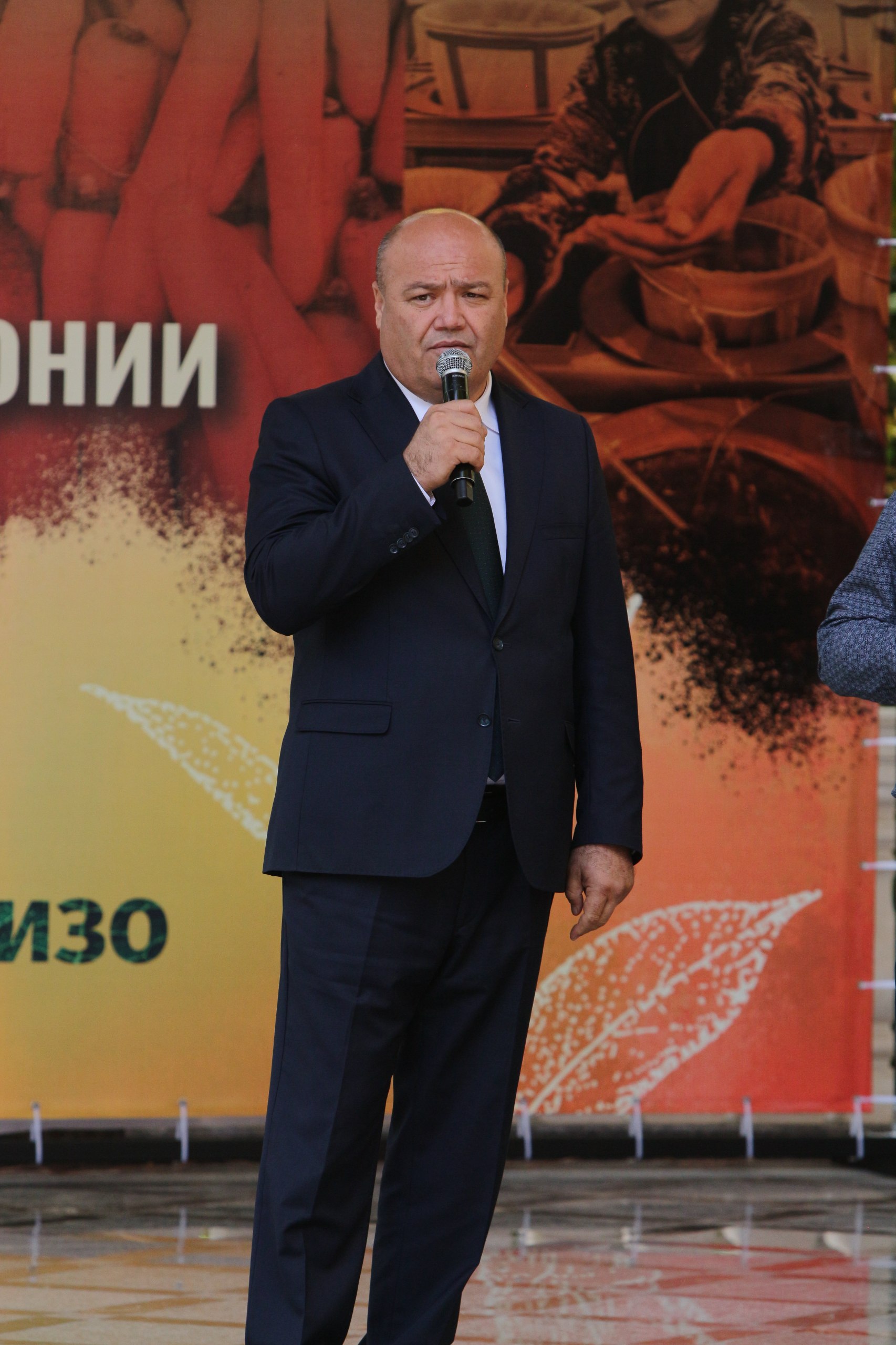
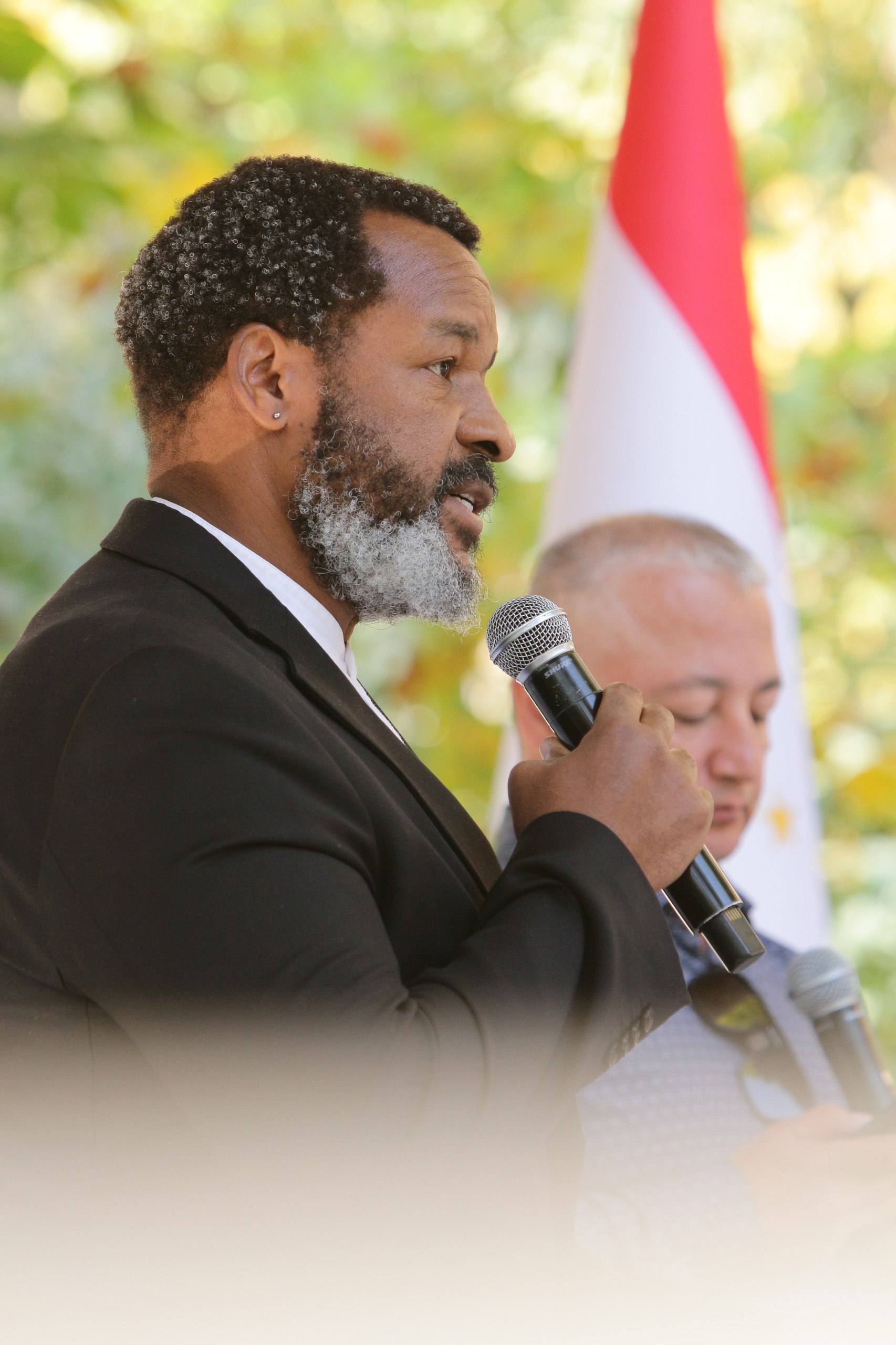
The themes children explored through games and workshops were also at the heart of the official ceremony. Speakers discussed how to support food producers, provide nutritious school meals, and make healthy food accessible to every family. Representatives of government agencies, researchers, and United Nations organizations joined the discussions.
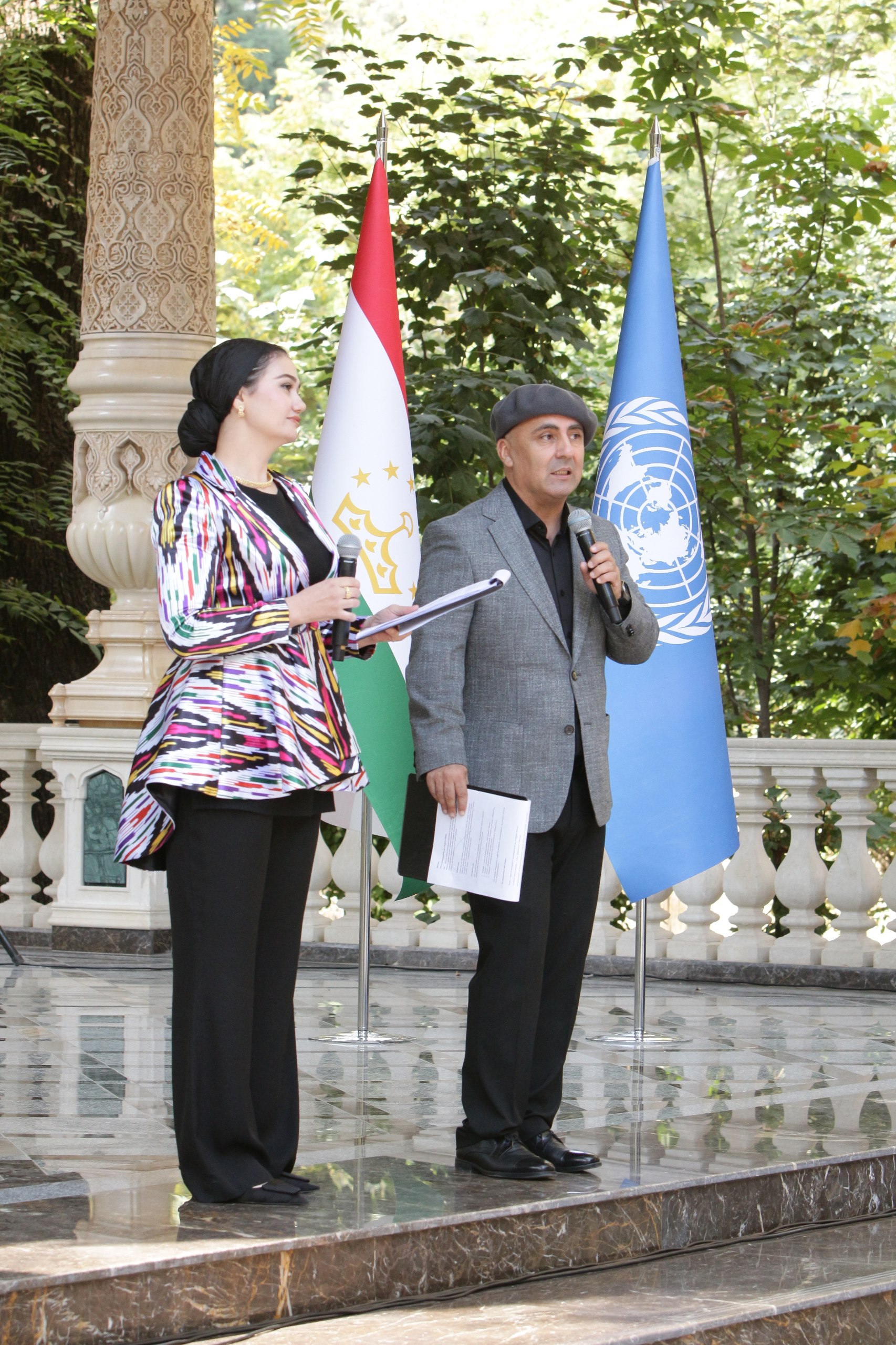
The celebration also coincided with United Nations Day, observed on October 24. Hosts Orzu Isoev and Takhmina Rajabova welcomed guests in both Tajik and Russian.
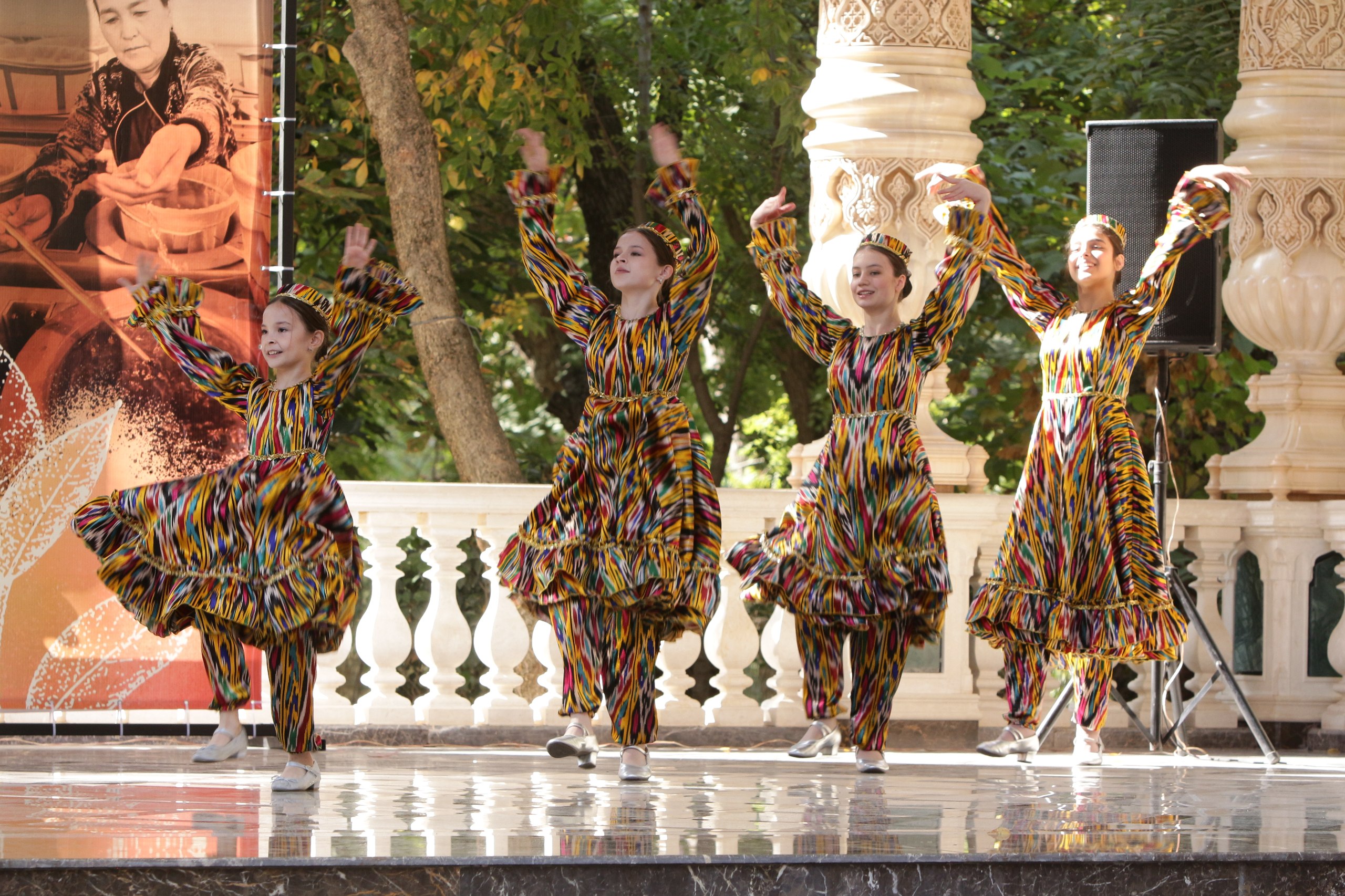
As the formal program drew to a close, music filled the garden. Performances by the Jasmine Ensemble, Dilorom Kurbonova, and Matlyuba Rakhmonova brought more energy to a day filled with discoveries, familiar flavors, music, and dancing.
For the children, a little piece of the celebration went home with them: their newly planted seeds, still waiting to sprout.