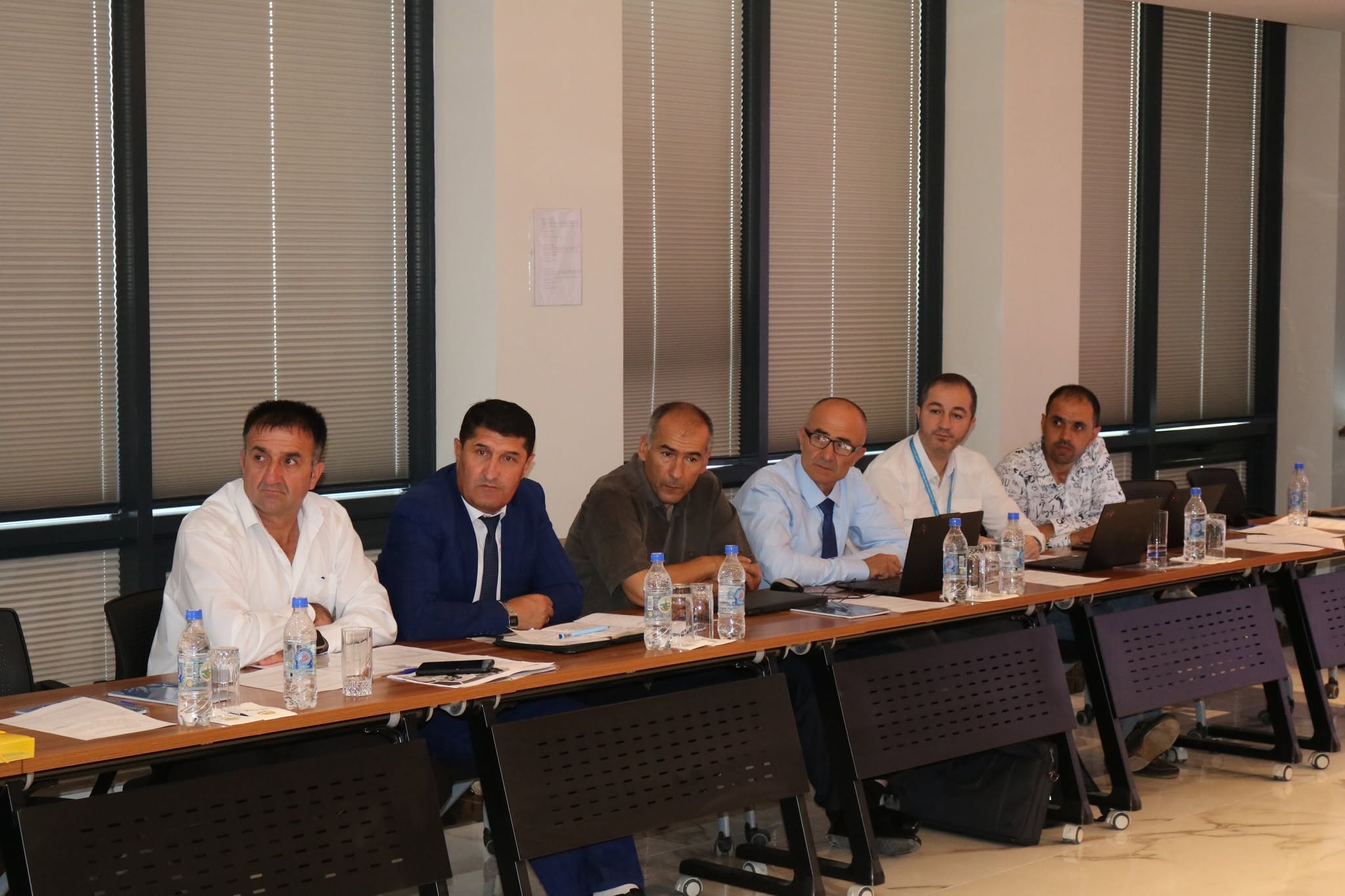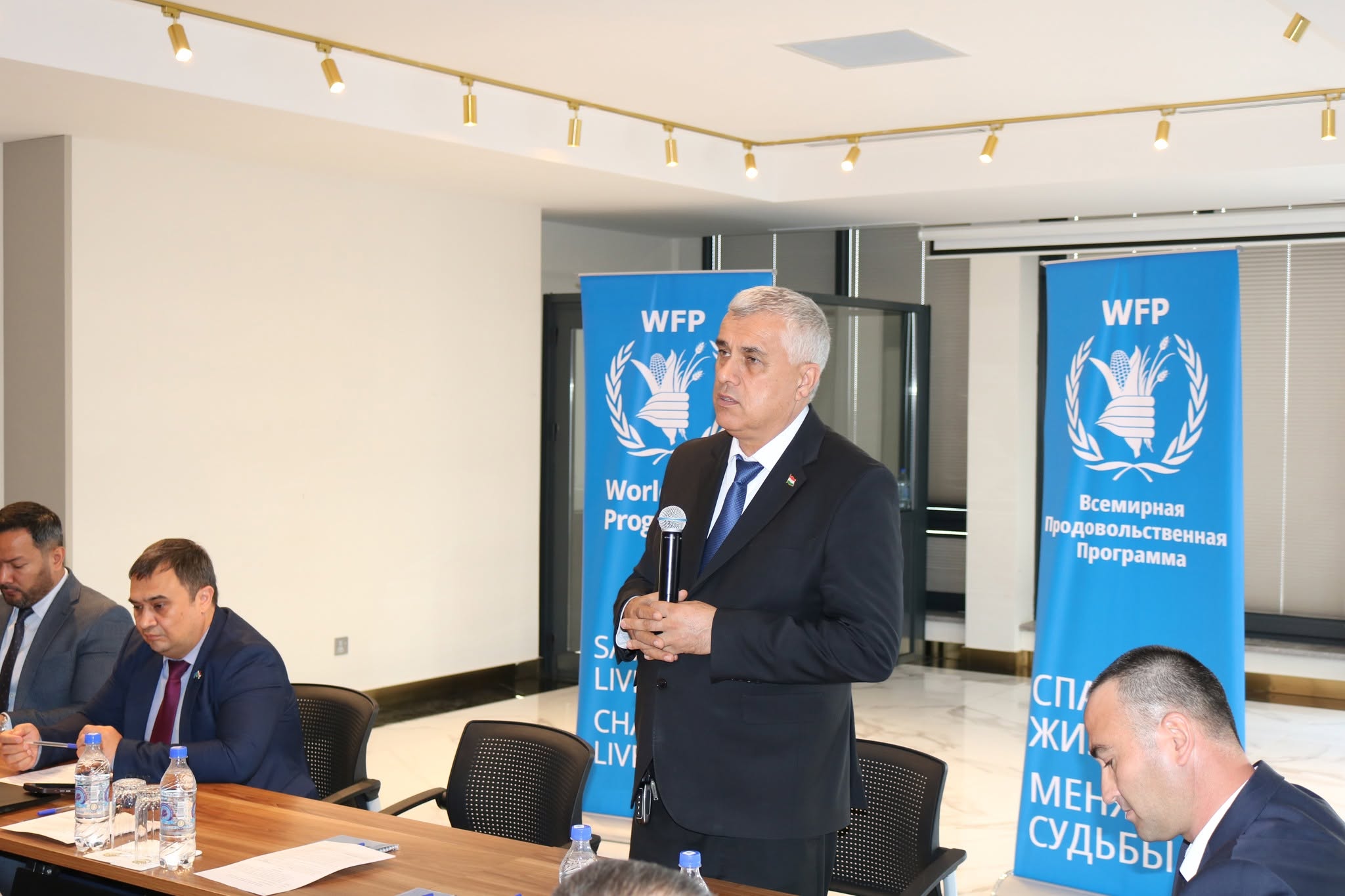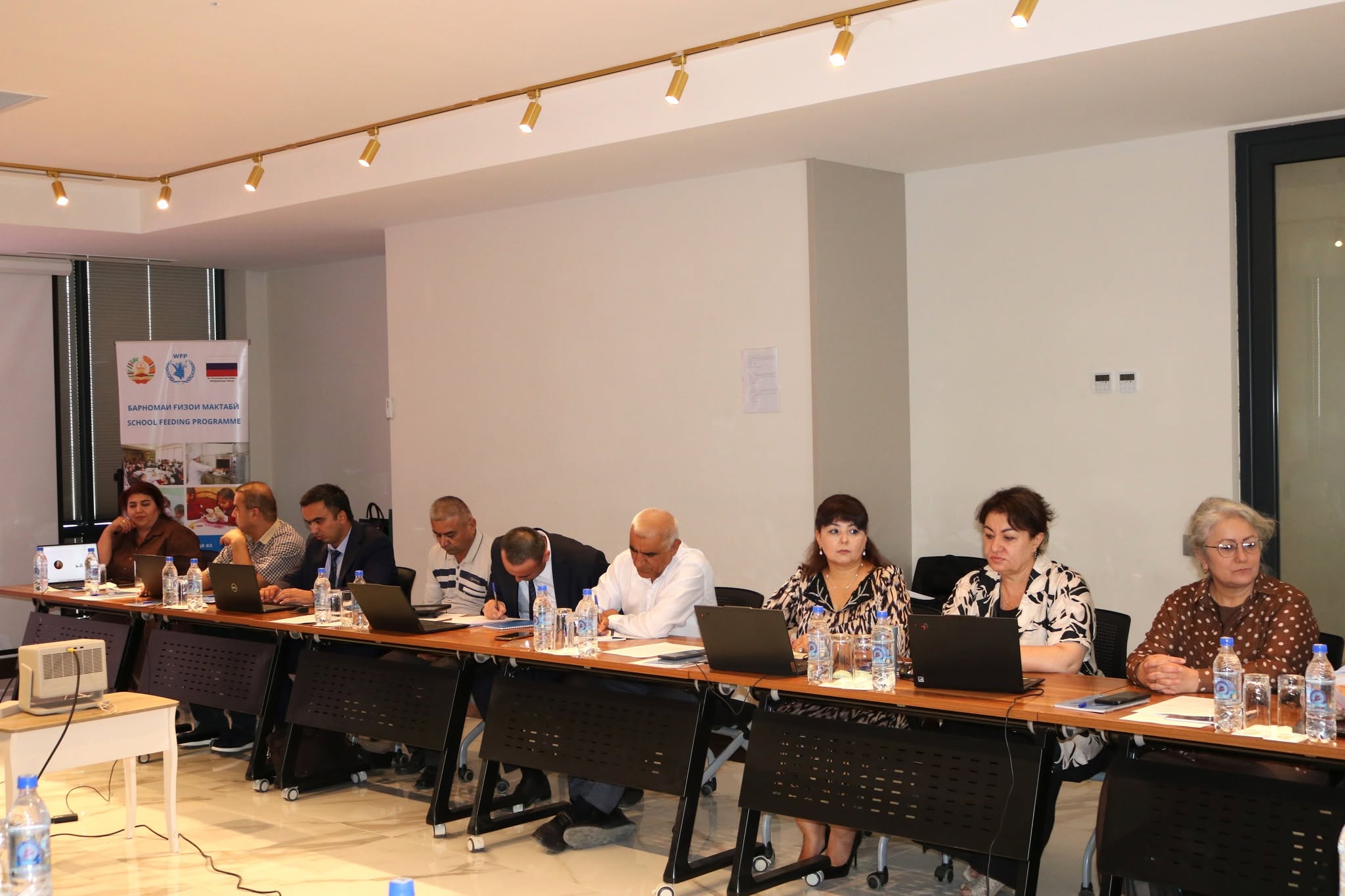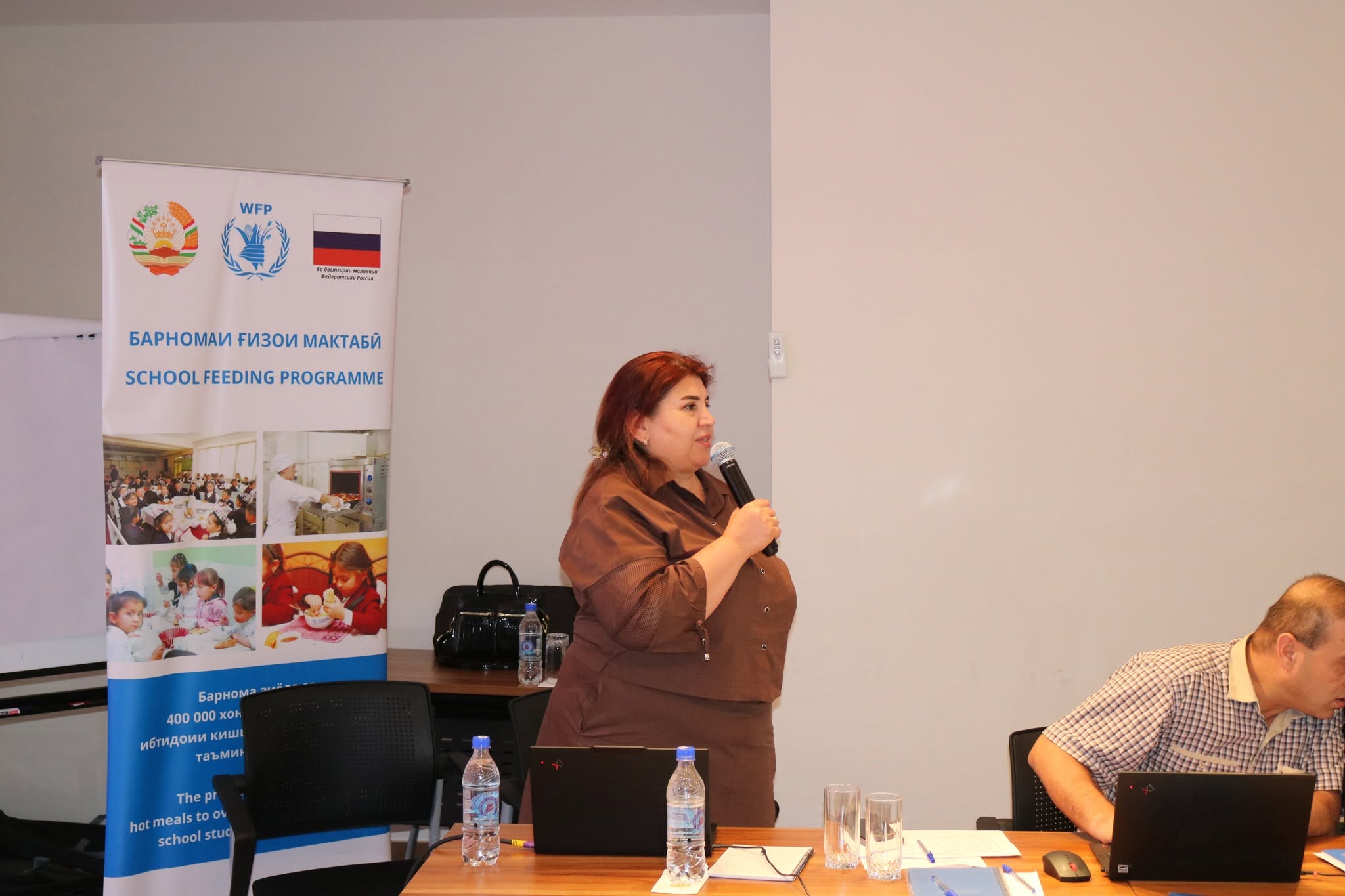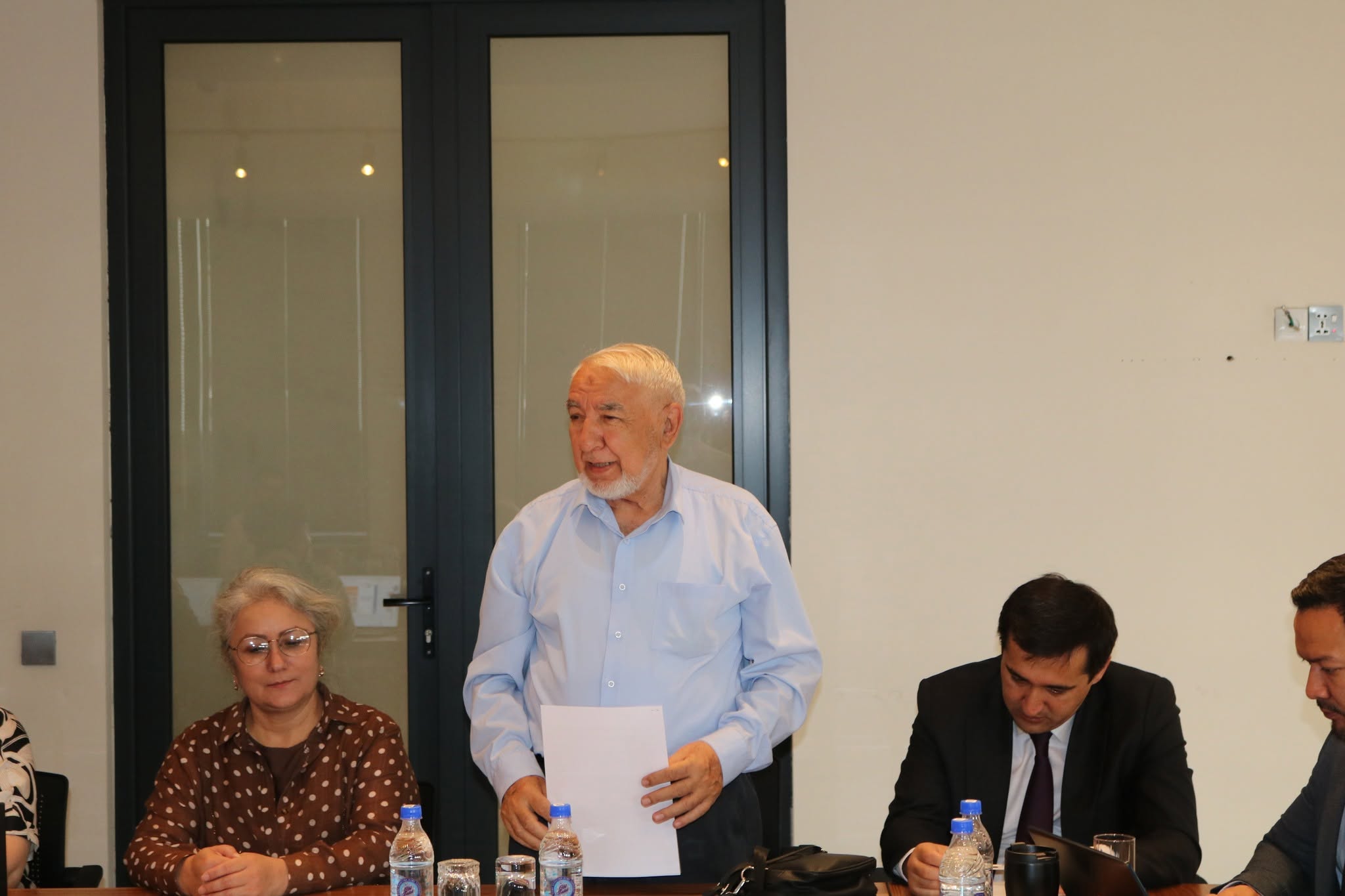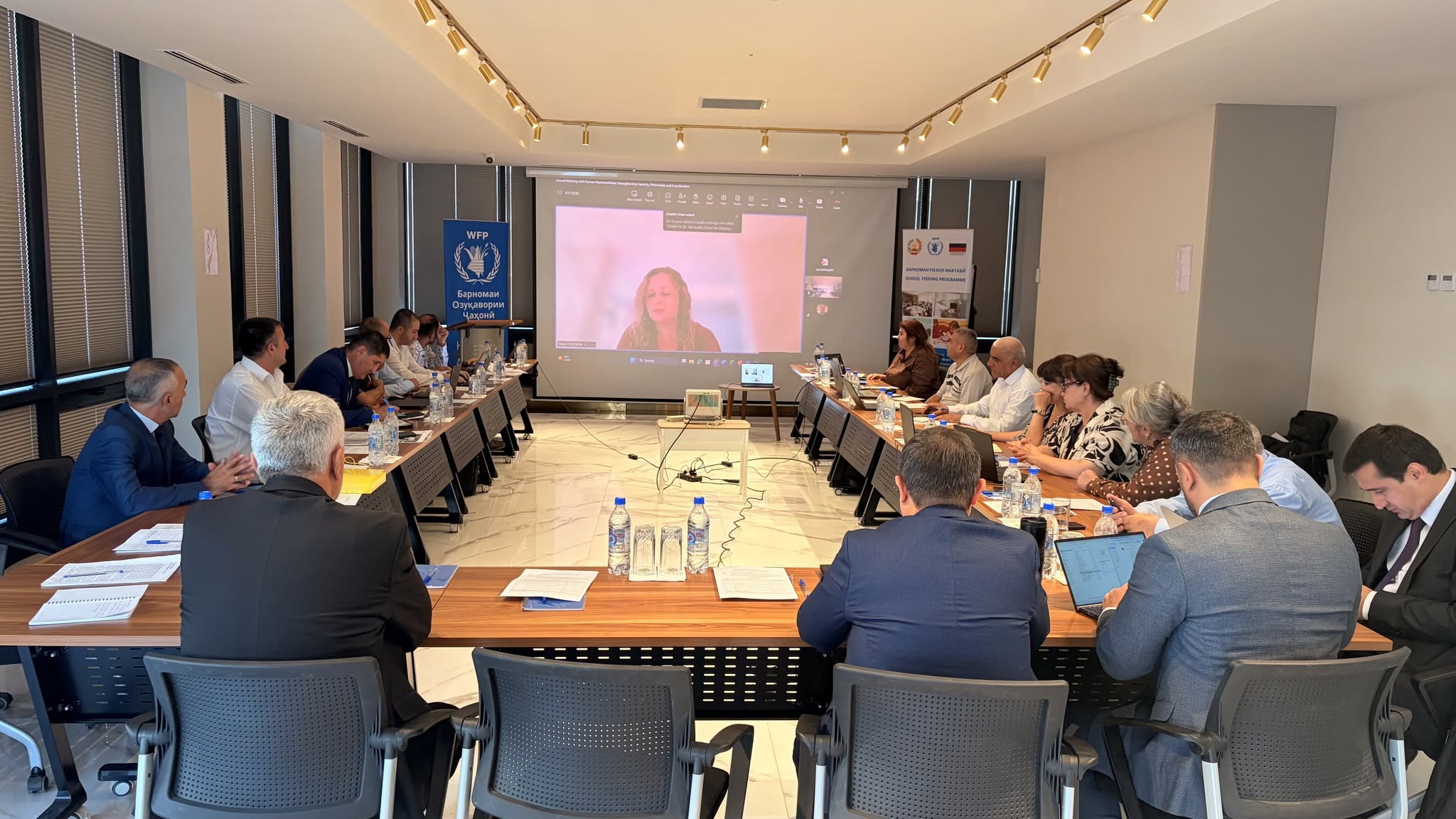
The Ministry of Education and Science of the Republic of Tajikistan, jointly with the United Nations World Food Programme, held a coordination meeting with the participation of representatives of regional, city, and district education departments and offices.
The purpose of the meeting was to review the progress of the implementation of the State Programme for the Development of School Feeding, exchange experiences, assess achievements and existing challenges, and identify further areas of cooperation to ensure the sustainability of the programme and continue its nationalization process.
Opening the meeting, Muzaffarzoda Badriddin, Deputy Minister of Education and Science of the Republic of Tajikistan, emphasized that the Government of the Republic of Tajikistan consistently attaches great importance to the development of school feeding as a key component of social policy and an important factor in human capital development.
It was noted that in recent years, state funding for the School Feeding Programme has steadily increased in order to strengthen its financial and institutional framework. In addition, school feeding units have been established within the structure of the Ministry of Education and Science and the regional education authorities. These measures contribute to the development of a sustainable management and coordination system for the programme at various levels.
At the same time, it was emphasized that the next phase should focus on strengthening human resource capacity and improving the management of responsible institutions, enhancing monitoring and reporting systems, reinforcing interagency coordination, creating an enabling environment for healthy nutrition in educational institutions, and ensuring the programme’s financial sustainability.
During the meeting, representatives of the education authorities of Khatlon Region, Sughd Region, the Gorno-Badakhshan Autonomous Region, as well as cities and districts under republican subordination, presented updates on the implementation of the School Feeding Programme in their respective areas. They discussed achievements, shared accumulated experience, and highlighted existing challenges.
Participants also reviewed issues related to improving coordination, monitoring, reporting, and programme management, and presented specific recommendations for enhancing existing mechanisms and addressing current challenges.
It was noted that cooperation between the Ministry of Education and Science and the World Food Programme in recent years has created a strong foundation for strengthening the management and coordination capacity of the School Feeding Programme at the national level.
In this context, one of the key priorities for the next phase is the further strengthening of the capacity of regional, city, and district education authorities. Effective management, oversight, and implementation of the programme at the local level are critical to ensuring its quality coverage and long-term sustainability.
The meeting was recognized as an important step in strengthening coordination between education sector institutions and development partners. It was emphasized that continuing such cooperation will contribute to the gradual nationalization of the School Feeding Programme and reinforce national ownership and responsibility for ensuring that schoolchildren have access to healthy and nutritious meals.