A school cook is expected to get every detail right. Every dish must be prepared within a strict time limit while following recipes, food safety standards, and hygiene requirements to the letter. During the Best School Cook 2026 competition, participants will have the chance to demonstrate all of these skills in practice.
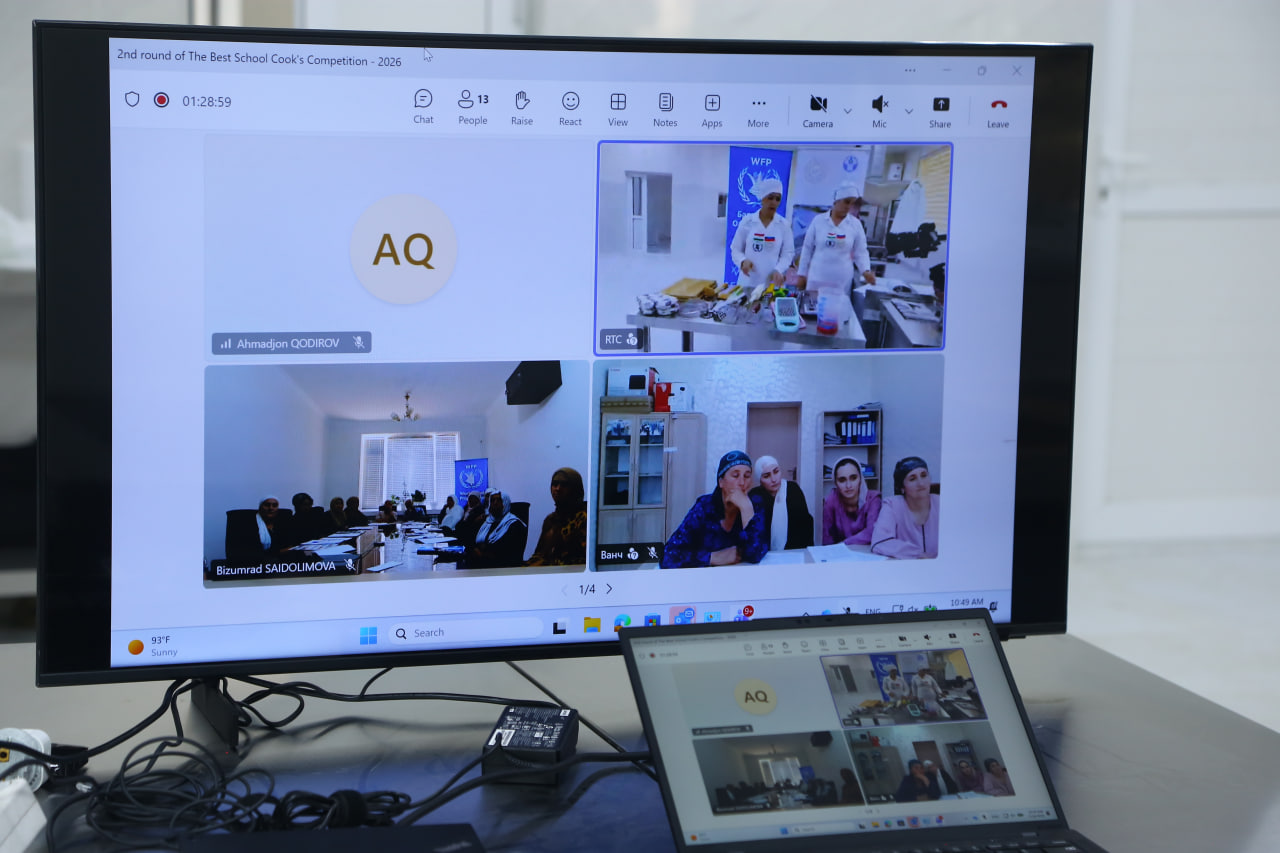
To help contestants prepare for the upcoming challenge, an online training seminar was held ahead of the province-level semi-finals. Fifty school cooks who successfully passed the first qualifying round took part in the session, joining from across Tajikistan — from the Gorno-Badakhshan Autonomous Oblast (GBAO) to Khatlon and Sughd.
The seminar was broadcast online from Dushanbe and organised by the United Nations World Food Programme (WFP) in Tajikistan together with the Social and Industrial Foodservice Institute (SIFI).
Every detail matters
The training was led by SIFI food technology specialists Zulfiya Fayzieva and Makhsudakhon Raufova, who focused on the key areas participants will be assessed on during the practical stage of the competition. These included organizing a workplace, maintaining personal hygiene, handling ingredients correctly, and following standardized flowcharts.
The practical demonstrations brought the theory to life. Participants learned how to handle eggs and fresh herbs safely, peel vegetables with minimal waste, apply different cutting techniques, and present finished dishes attractively.
The seminar also covered proper food storage and the correct labelling of kitchen equipment. In a school kitchen, these details are essential for food safety: raw ingredients must never come into contact with ready-to-eat food, opened packages should be used promptly, and storage temperatures must be constantly monitored.
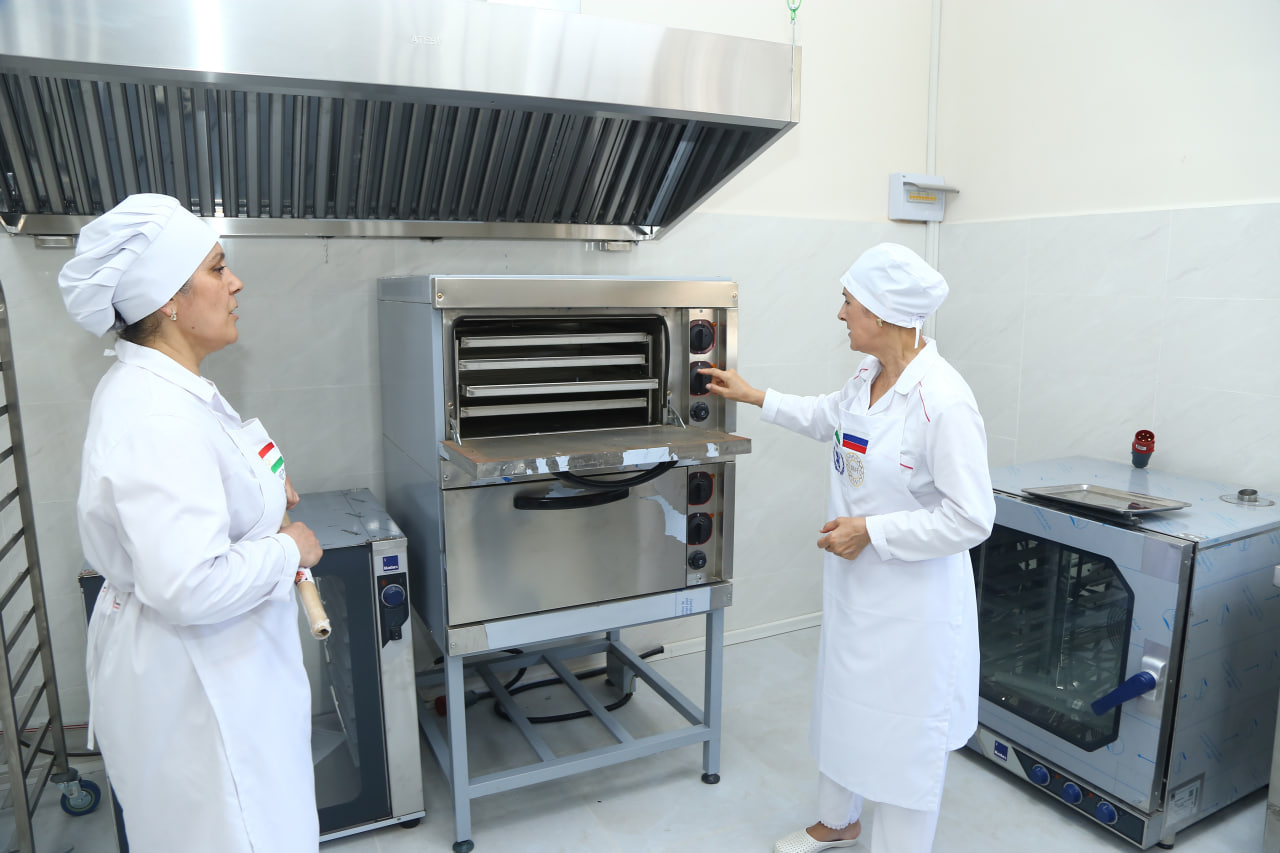
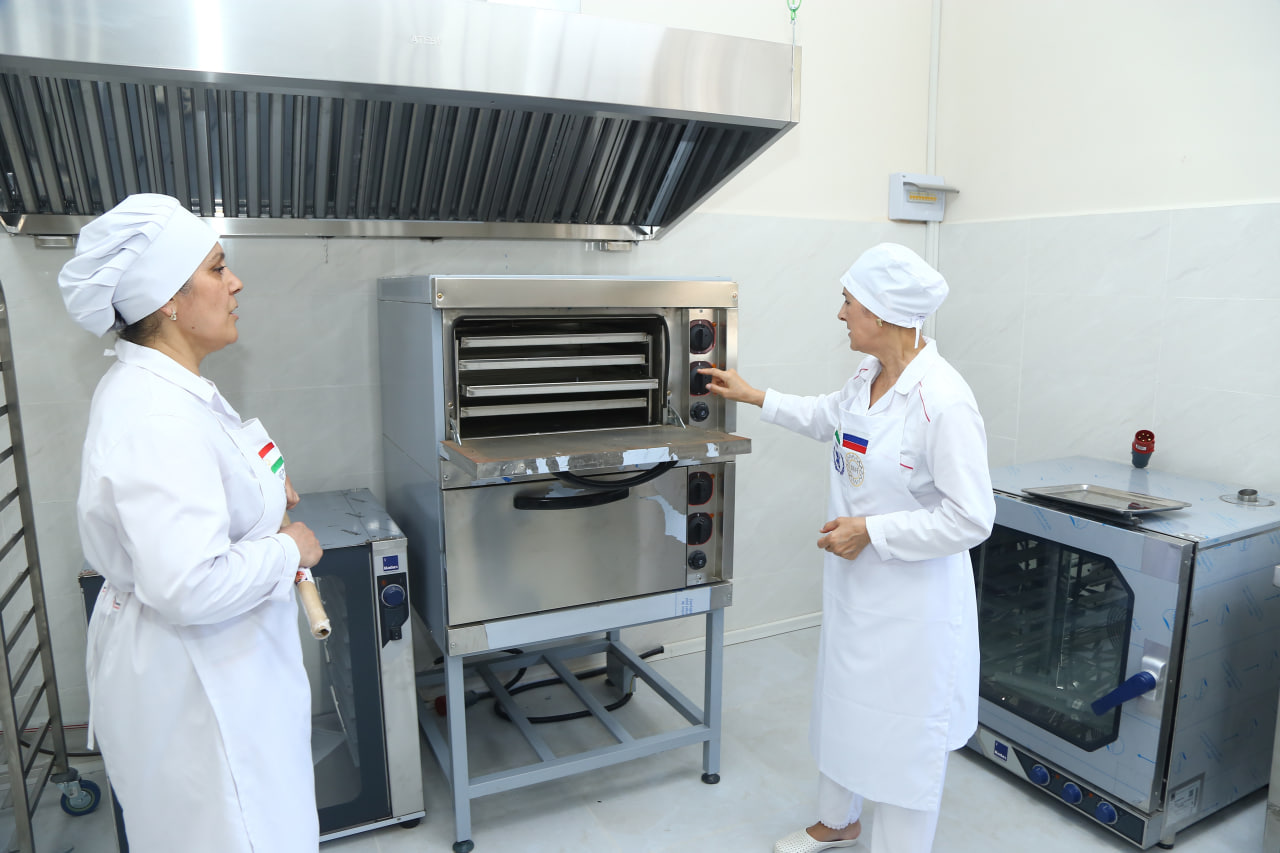
Participants also showed great interest in the modern equipment being introduced into school kitchens through the School Feeding Programme. The trainers explained how the equipment works and highlighted the safety procedures that must be followed during its use.
Equal conditions for everyone
The seminar also explained how the province-level semi-finals will be conducted and how contestants will be evaluated. Within three hours, contestants must prepare five components of a complete meal: a soup, a main course, a salad, a drink, and a baked product.
All contestants will be provided with the same ingredients, equipment, and kitchenware. Personal seasonings, sauces, or pre-prepared ingredients are not allowed, ensuring that the judges can assess every participant fairly based on their own knowledge and skills.
Judging will consider the taste and presentation of the dishes, compliance with hygiene standards, proper food handling, workplace organization, and the efficient use of ingredients.
Competition that continues in school kitchen
Around two-thirds of those attending the seminar had already taken part in previous editions of the Best School Cook competition. Even so, the practical online training proved valuable for experienced participants as well. New requirements, equipment, and cooking techniques continue to emerge, making ongoing professional development an essential part of the job.
The province-level semi-finals are just around the corner. There, contestants will need to work quickly, confidently, and with precision. The skills they demonstrate during the competition will stay with them long after it ends — back in their school kitchens, where instead of a judging panel, their work is evaluated every day by the children they serve.